
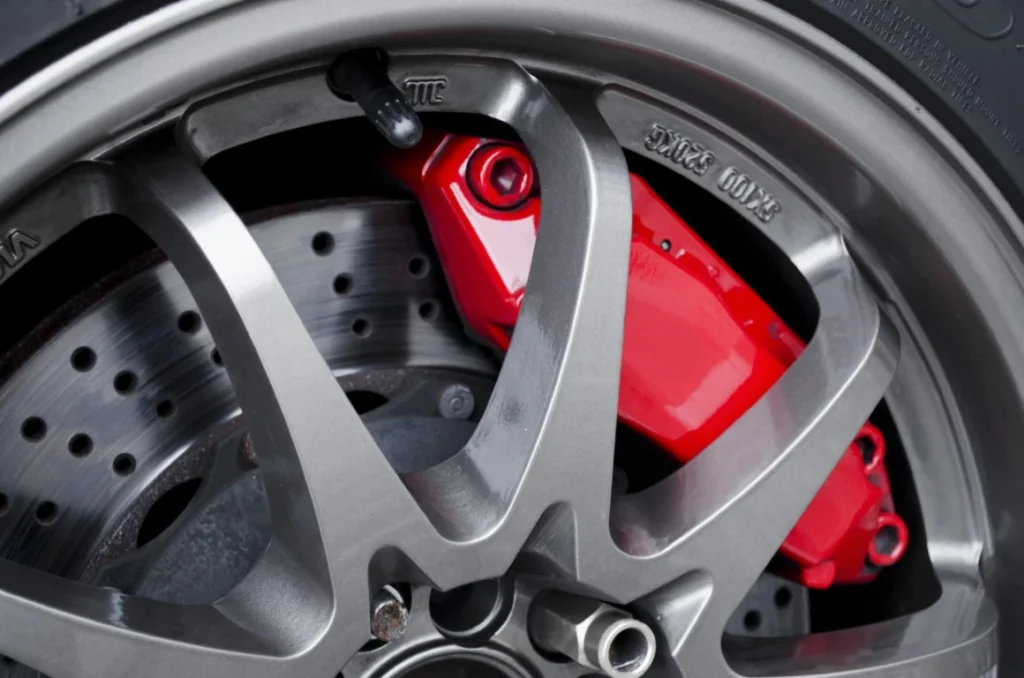
Your brakes play a major role in your vehicle safety, ensuring you can safely stop it when approaching a red light or you experience unexpected traffic. But all this responsibility comes at a pretty significant cost. As one of the most heavily relied on parts of your vehicle, it is crucial that you pay attention to any changes in your brakes, including unexpected brake noises.
While it can be easy to disregard new noises, ignoring them can have dire, and sometimes incredibly costly, consequences. But decoding brake noises might not be so simple. In this blog, we’ll explore the key differences between squeaking and grinding, ensuring you know when it’s time to schedule timely brake replacement.
Why Brake Noises Happen in the First Place
Most modern brake pads are designed to begin making noise when they are worn down or you’re experiencing problems. As the built-in metal wear indicator tab begins rubbing against the rotor, you may begin noticing brake noises that you hadn’t previously encountered. While this can be alarming, it is simply an indication that they need your attention.
There are a variety of noises you can expect to hear from your brakes. The most common brake noises drivers will notice include:
- Squeaking
- Grinding
- Rattling
- Clicking
Although it may be tempting to ignore these noises, it is always in your best interest to direct your attention to your brakes when they occur. You want to ensure that you’re not experiencing major brake problems that may otherwise compromise your safety while on the road.

How Long Do Brake Pads Last?
The lifespan of your vehicle’s brake pads can vary significantly based on a number of factors, but they are generally designed to offer reliable performance for tens of thousands of miles. While there is no single universal timeline, a typical range for ceramic and metallic brake pads is between 30,000 and 70,000 miles. Some high-quality pads can even exceed this range.
The primary factors that impact brake longevity include:
- Driving Habits: Aggressive braking, frequent stopping, and high-speed driving will shorten pad life.
- Environment: Consistent driving in urban, stop-and-go traffic wears pads down faster than highway driving.
- Brake Pad Material: Ceramic pads tend to last longer and produce less dust than semi-metallic pads.
It is crucial to have your brake pads inspected regularly during routine maintenance to ensure they are replaced before they reach a dangerously worn state. Paying attention to the signs like squeaking or visual thinness is key to timely brake replacement.
What Squeaking Brakes Usually Mean
Squeaking is one of the first brake noises you may notice. This is often an indication that your brake pads are beginning to wear thin, and the metal wear indicators are beginning to rub against your rotors. If you’ve had the same brake pads on your vehicle for more than 50,000 miles, there is a good chance this squeaking is a sign that it’s time for a replacement.
However, squeaking isn’t always an indication of excessive wear. In some cases, you may notice squeaking brakes if your brakes are covered in dust and debris, as this can become trapped between the pad and the rotor, leading to squeaking. Additionally, moisture can create a thin layer of rust that will cause squeaking until it wears off.
If you’re unsure whether your brakes are squeaking as a result of extreme wear or debris and rust, it is always best to rely on your auto body professional. They can inspect your brakes and let you know whether replacement is your best option or if you can safely drive with your existing brakes for a few thousand more miles.
Grinding Noises and Why They Shouldn’t Be Ignored
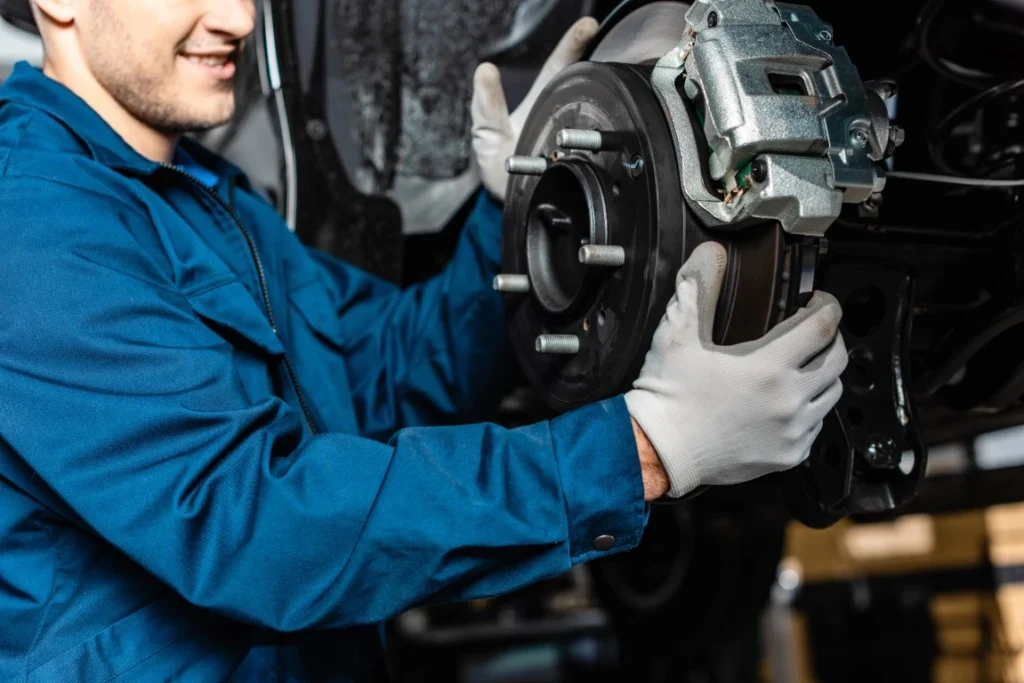
Grinding noises from your brakes represent a critical stage of wear and should never be ignored. Unlike a minor squeak that might indicate dust or early wear, grinding suggests that the brake pad material is completely gone. This means the metal backing plate of the pad is scraping directly against the metal brake rotor.
Continuing to drive with this noise causes severe, rapid damage to the rotors, transforming a simple brake pad replacement into a much more expensive repair involving rotor replacement. More importantly, this metal-on-metal contact drastically compromises your vehicle’s stopping power and control, creating a serious safety risk for you and others on the road.
When Brake Noises Mean It’s Time for Professional Service
While it is easy to ignore small brake noises, there are a few times when it is crucial that you pay close attention. If you are experiencing any of the following noises, it is essential that you reach out to a trusted auto body professional for inspection and potential replacement as soon as possible:
- High-Pitched Screeching: When you begin experiencing high-pitched squealing, this often means your pads are severely worn down.
- Clicking and Rattling: Any rattling, clicking noises can indicate there is loose hardware or that your brake pads are shifting in the caliper.
- Thumping: When your brakes begin to make a thumping sound, this can signal warping or uneven brake rotors.
- Grinding: This noise shouldn’t ever be ignored, as it means your brakes have completely worn down and need immediate attention.
Choosing to ignore extreme brake noises can put you and other drivers at major risk while you’re on the road. If you’re experiencing any of these noises, in addition to your ABS or dashboard warning lights, it is in your best interest to schedule an appointment with a trusted auto body professional.
Let Us Help You Address Pesky Brake Noises
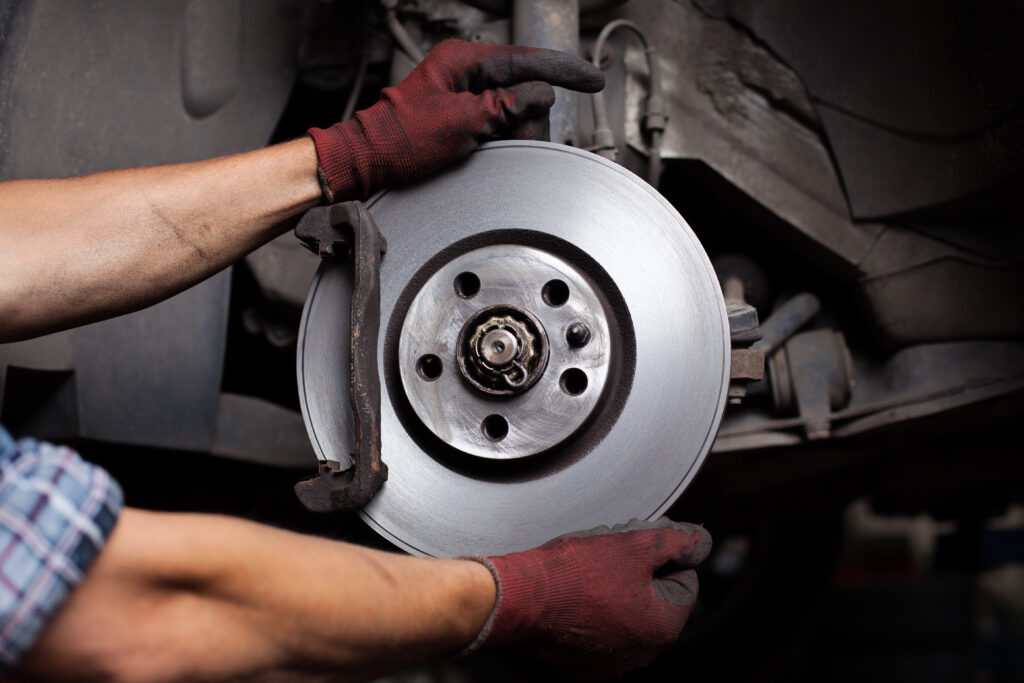
As soon as you begin noticing unusual brake noises, our team at Paskett Auto is here and ready to help. Whether you’re experiencing frequent squeaking or loud, distressing grinding, we can help you identify the root cause of the problem and provide quick, reliable solutions. Regardless of what brake problems you’re experiencing, you’ll have the peace of mind that our team is trained and ready to provide the best support.
If you would like to schedule an appointment to have your vehicle’s brakes inspected, don’t hesitate to contact our team in Roy, Utah, today.

