Brake pads are essential for keeping your vehicle safe, but they don’t last forever. As they wear down, you may notice changes in how your vehicle sounds, feels, or responds when you brake. Ignoring these warning signs can reduce braking performance and potentially lead to more expensive repairs.
Knowing the signs of worn brake pads can help you address the problem early and keep your vehicle stopping safely. Here are some of the most common signs that your brake pads may need immediate replacement.
1. Your Brakes Are Making a High-Pitched Squealing Sound
One of the most common early signs of worn brake pads is a high-pitched squealing or squeaking sound when you brake. Many brake pads have built-in wear indicators designed to create a noticeable sound when the friction material becomes too thin.
Occasional brake noise can have other causes, such as moisture or debris. However, persistent squealing shouldn’t be ignored. If the noise continues or becomes more frequent, have your brakes inspected to determine whether the pads need to be replaced.
2. You Hear Grinding When You Brake
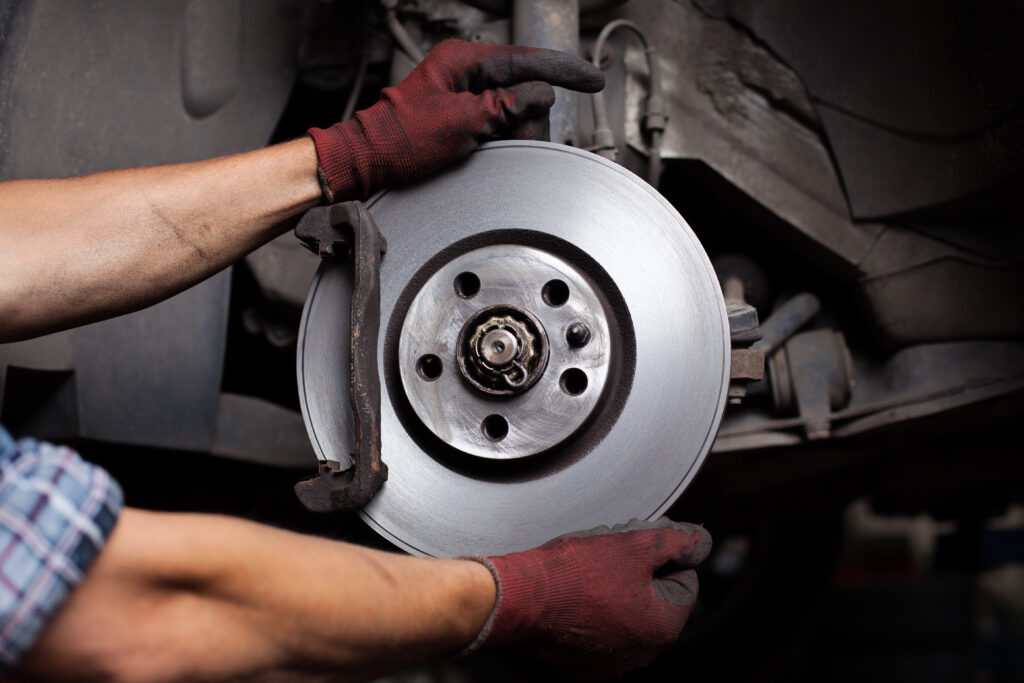
Grinding is a more serious warning sign. If your brakes produce a harsh grinding or scraping sound, the brake pads may be completely worn down, allowing metal components to contact the rotor.
Continuing to drive with grinding brakes can damage the rotors and potentially other components. What began as a simple brake pad replacement could become a much more expensive repair.
If you hear grinding whenever you brake, have your vehicle inspected as soon as possible.
3. Your Vehicle Takes Longer to Stop
Pay attention to changes in how quickly your vehicle stops. If you need to press the brake pedal harder or allow more distance to come to a complete stop, there could be a problem with your braking system.
Worn brake pads can contribute to reduced braking performance, although other issues can cause similar symptoms. Because effective braking is essential to your safety, any noticeable change in stopping performance deserves professional attention.
4. The Brake Pedal Feels Different
Changes in brake pedal feel can also indicate a problem. Your pedal may feel softer than usual, sit lower than it normally does, or require more pressure to slow your vehicle.
You may also experience pulsation or vibration when braking. These symptoms aren’t necessarily caused by brake pads alone. Issues with rotors, brake fluid, or other brake components can produce similar sensations.
5. Your Steering Wheel Shakes When Braking
If your steering wheel vibrates or shakes when you apply the brakes, it’s another reason to have your vehicle checked. This can indicate warped or unevenly worn brake rotors.
While vibration doesn’t automatically mean your brake pads need replacement, worn pads and rotor problems can occur together. Addressing the issue early can help prevent additional damage and restore smooth braking performance.
6. Your Vehicle Pulls to One Side
Does your vehicle pull left or right when you apply the brakes? Uneven brake pad wear, a sticking caliper, or other brake system problems can cause your vehicle to pull to one side.
Uneven braking can affect vehicle control, particularly when you need to stop quickly. If your vehicle doesn’t brake evenly, schedule an inspection promptly.
7. Your Brake Warning Light Comes On
Never ignore a brake warning light on your dashboard. Depending on your vehicle, a warning light may indicate worn brake components, low brake fluid, an ABS issue, or another problem.
Some vehicles also have brake pad wear sensors that alert drivers when the pads need attention. If a BRAKE or ABS warning light appears, have the system diagnosed rather than continuing to drive and hoping the light disappears.
8. Your Brake Pads Look Extremely Thin
On some vehicles, you can see the brake pads through the wheel. If the visible friction material appears extremely thin, it’s likely time for an inspection and possible replacement.
However, brake pads don’t always wear evenly. One pad can be significantly more worn than another, which is why professional inspection is important even when the pads appear acceptable from the outside.
Don’t Wait Until Your Brakes Fail
Brake pads are designed to wear out, but replacing them before they’re completely gone can help prevent damage to other brake components. Driving habits, traffic conditions, vehicle type, and other factors can all affect how quickly brake pads wear.
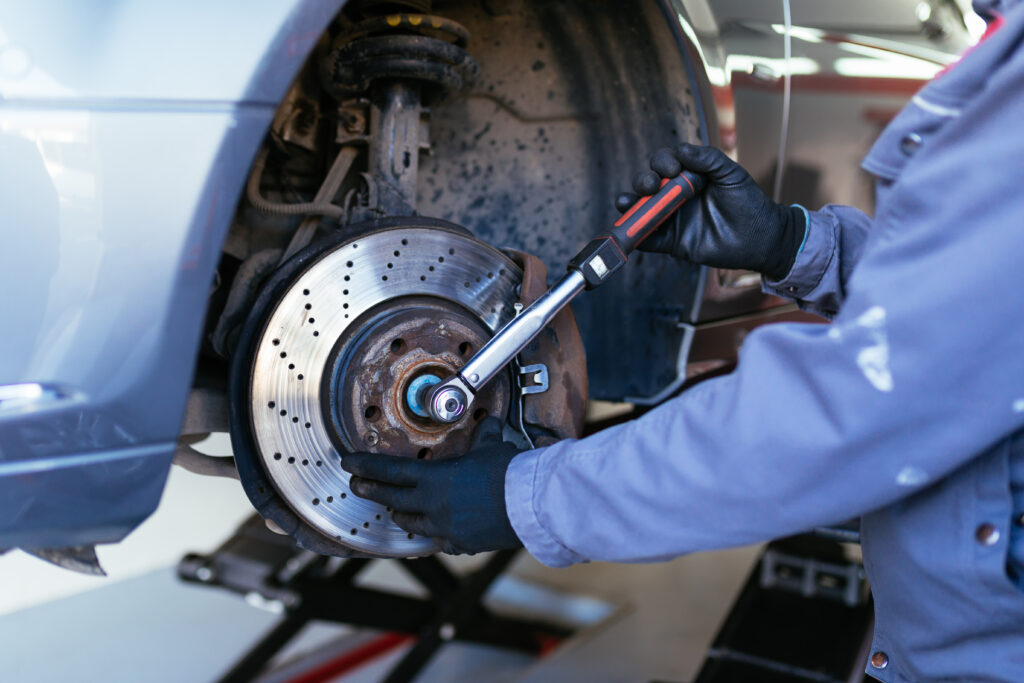
Regular brake inspections give technicians an opportunity to check the condition of your pads, rotors, brake fluid, and other components before small problems become larger ones.
Trust Paskett Auto for Brake Repair
When you notice unusual brake noises, changes in pedal feel, vibrations, pulling, or longer stopping distances, turn to an experienced auto repair team. Paskett Auto provides brake repair and maintenance services to help drivers keep their vehicles safe and reliable.
Our technicians can inspect brake pads and shoes, evaluate rotors, diagnose brake warning lights, and identify other issues affecting your vehicle’s braking system. Whether you need new brake pads or additional brake repairs, we’ll help determine the appropriate solution.
Don’t wait until a brake problem becomes a major repair. Contact Paskett Auto today to schedule a brake inspection and keep your vehicle ready for the road.

