
Transmission fluid is the lifeblood of your vehicle’s transmission system. It lubricates moving parts, keeps the transmission cool, and ensures your car shifts smoothly. Like any essential fluid, it degrades over time, and neglecting it can lead to costly repairs or even transmission failure. Regular maintenance is key to keeping your car running efficiently and extending its lifespan. In this blog, we’ll cover how often you should change your transmission fluid, the signs it might be time for a change, and tips to help you keep your transmission in top condition.
Understanding Transmission Fluid
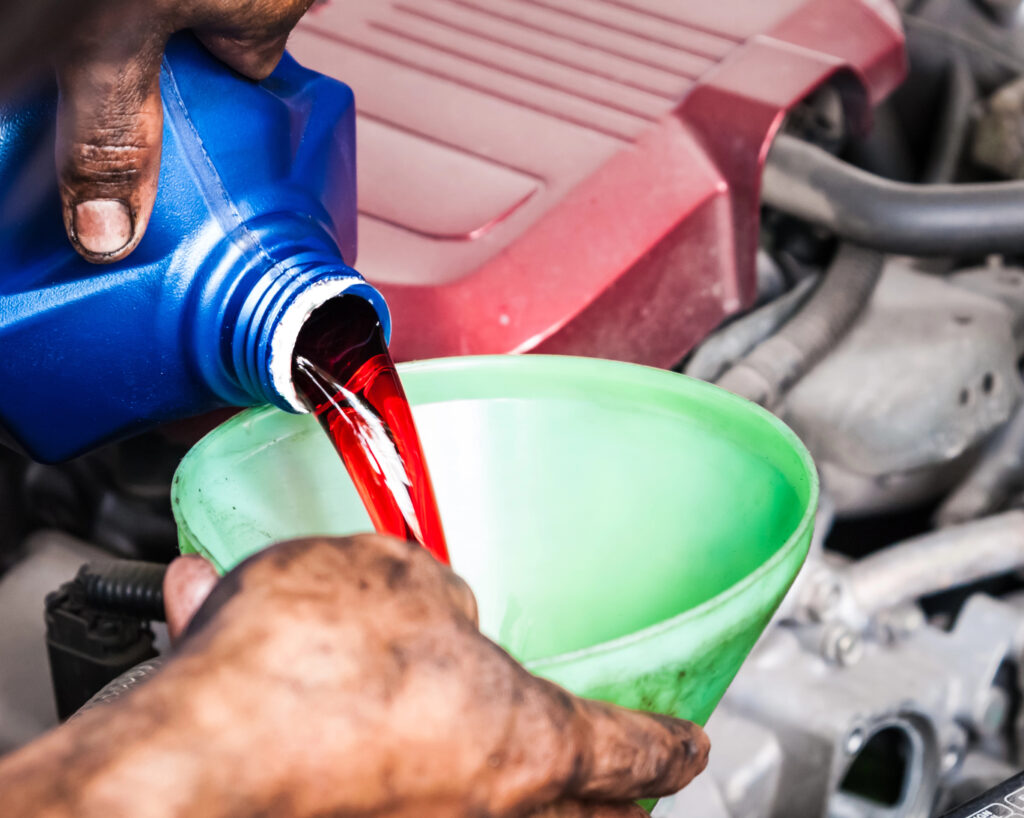
Transmission fluid might not be the first thing you think about when maintaining your car, but it plays a crucial role in keeping your vehicle running smoothly. This fluid lubricates moving parts, reduces friction, helps transmit power from the engine to the wheels, and keeps the transmission cool under stress. It’s important to know that automatic and manual transmissions require different types of fluid, each formulated to handle their specific mechanical demands. Over time, fluid can become dirty or lose its effectiveness, which can lead to rough shifting, overheating, or even serious transmission damage. Monitoring and maintaining healthy transmission fluid ensures your car performs efficiently and lasts longer, saving you headaches and costly repairs down the road.
Manufacturer Recommendations
One of the simplest ways to keep your transmission healthy is to follow your vehicle manufacturer’s guidelines. Your owner’s manual provides recommended intervals for checking and changing transmission fluid, which can vary based on whether your car has an automatic or manual transmission. While many modern vehicles have longer intervals, factors like towing heavy loads, frequent stop-and-go driving, or extreme temperatures can shorten the fluid’s lifespan. Ignoring these recommendations can lead to costly repairs or even total transmission failure. By sticking to the manufacturer’s schedule and adjusting for your driving habits, you give your vehicle the care it needs to perform reliably for years to come.
Signs Your Transmission Fluid Needs Changing
Even if you follow your vehicle’s maintenance schedule, it’s important to stay alert for signs that your transmission fluid may be failing. Dark, dirty, or burnt-smelling fluid is one of the clearest indicators that it’s time for a change. You may also notice rough or slipping gears, delayed responses when shifting, or strange noises like whining or grinding. Fluid leaks under your car are another warning sign. Paying attention to these symptoms and addressing them promptly can prevent minor issues from turning into costly transmission repairs.
Factors That Affect Transmission Fluid Life
Several driving habits and conditions can shorten the lifespan of your transmission fluid, even if you’re diligent about following the manufacturer’s schedule. Towing heavy loads or frequently driving in stop-and-go traffic puts extra strain on your transmission, causing fluid to break down faster. Extreme temperatures (whether scorching summer heat or freezing winter cold) can also impact fluid performance. Older vehicles or high-mileage cars may experience more wear on the transmission, making fluid changes even more critical. Being aware of these factors allows you to adjust maintenance schedules, helping protect your transmission and extend your vehicle’s life.
How Transmission Fluid is Changed
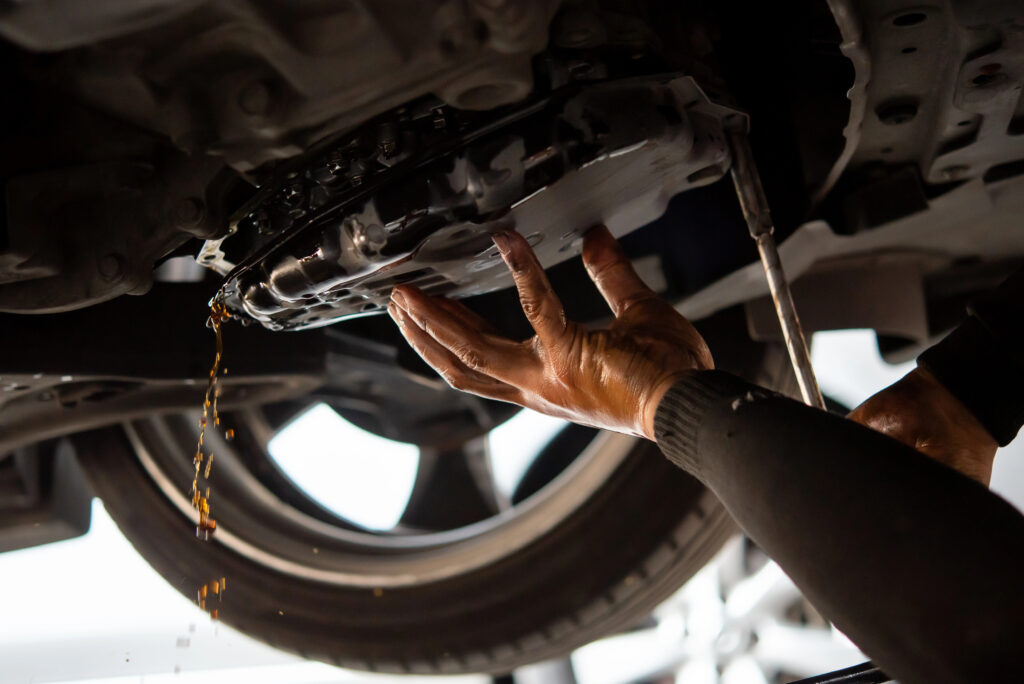
Changing your transmission fluid is a key step in maintaining a smooth-running vehicle, but it’s not always as simple as it sounds. The process typically involves draining the old fluid, sometimes performing a flush to remove residue, and then refilling with the correct type of new fluid. While some car owners may feel comfortable doing this themselves, it’s often best left to a professional who can ensure the right fluid type and proper procedure are used. Regular fluid changes help prevent overheating, reduce wear on moving parts, and keep your transmission shifting smoothly.
Consequences of Neglecting Transmission Fluid Changes
Skipping regular transmission fluid maintenance can lead to serious and costly problems. Old or degraded fluid loses its ability to lubricate and cool the transmission properly, causing increased friction and overheating. Over time, this can result in rough or slipping gears, delayed shifting, and even complete transmission failure. Repairs or replacements can be extremely expensive, far exceeding the cost of routine fluid changes. Neglecting this simple maintenance task can also shorten the overall lifespan of your vehicle. By staying on top of transmission fluid changes, you protect your car, maintain smooth performance, and avoid unnecessary stress and repair bills.
Choose Paskett Auto for Reliable Transmission Service
Even small lapses in transmission fluid maintenance can lead to slipping gears, overheating, and long-term transmission damage. At Paskett Auto, our experienced technicians specialize in professional transmission service to ensure your vehicle receives the correct fluid, proper inspection, and expert care it needs to run reliably. Don’t wait for a problem to arise. Contact us today to schedule a transmission check or fluid change and keep your car performing at its best for years to come.

