
Have you ever felt your car jolt, lurch, or hesitate when changing gears? Whether you’re accelerating onto the highway or shifting from Park into Drive, these sudden movements can be frustrating and concerning. While an occasional change in shifting feel may not signal a major problem, repeated jerking can indicate an issue that needs attention.
Understanding the common causes of transmission jerking can help you recognize when it’s time to schedule an inspection and avoid potentially expensive repairs.
Common Reasons Your Transmission Jerks When Changing Gears
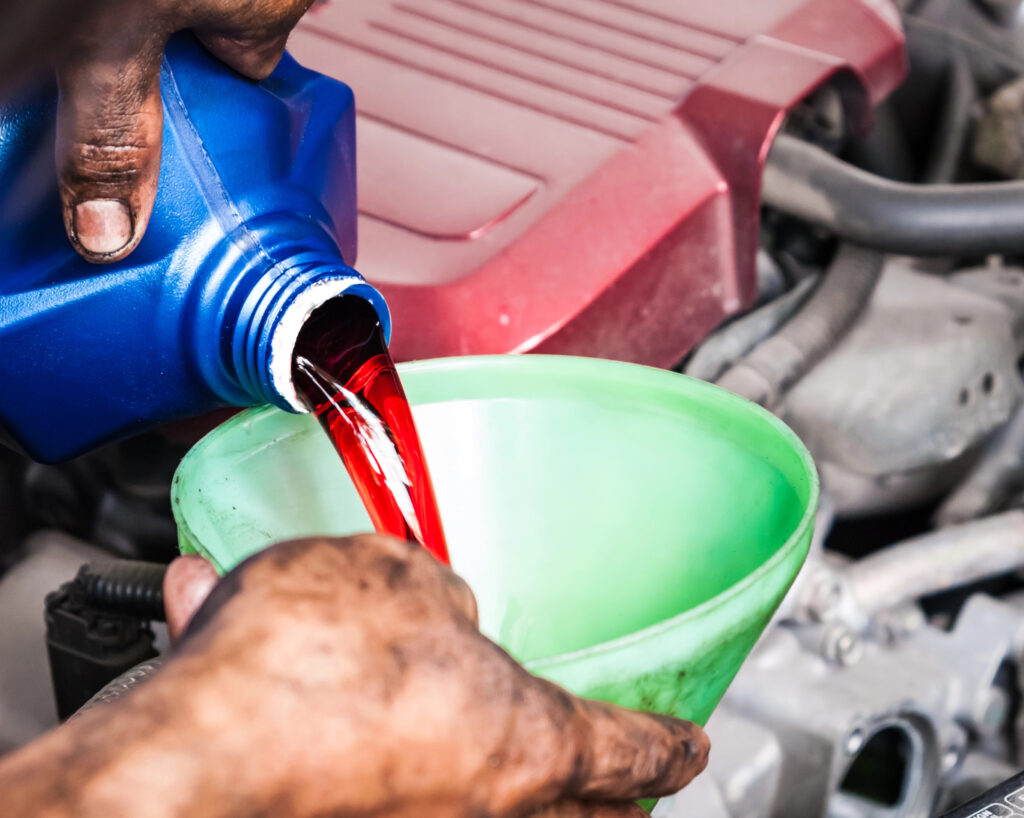
Low or Dirty Transmission Fluid
Transmission fluid lubricates moving components, helps manage heat, and supports proper gear changes. If the fluid level is too low or the fluid has deteriorated, your transmission may struggle to shift smoothly.
You might notice hesitation when accelerating, slipping between gears, or a sudden jolt during a shift. Low fluid can also result from a leak, which means simply adding more fluid may not solve the underlying problem. Continuing to drive with insufficient fluid can cause additional damage.
If you notice reddish or brownish fluid beneath your vehicle, or your shifting suddenly becomes rough, have the transmission checked. Follow your manufacturer’s recommendations for fluid service rather than assuming every vehicle needs the same maintenance schedule.
Worn Transmission Components
Over time, transmission components can wear down from regular use. Depending on your vehicle, worn clutches, gears, or other internal parts may interfere with smooth shifting.
Symptoms can include repeated jolts, slipping, delayed gear changes, or unusual clunking sounds. These problems may become more noticeable as the vehicle warms up or under certain driving conditions.
Faulty Shift Solenoids or Sensors
Modern automatic transmissions rely on electronic controls to determine when gears should change. Shift solenoids regulate the flow of transmission fluid, while sensors provide information that helps the system select the appropriate gear.
When a solenoid, sensor, or related control component malfunctions, shifting may become harsh, delayed, or inconsistent. You might also notice a check engine light or transmission warning light.
Diagnostic testing can help identify electronic faults without relying on guesswork. Addressing these issues early may prevent continued rough shifting and help determine whether the problem involves a specific component or a larger transmission concern.
Engine Misfires and Performance Problems
Not every jolt during a gear change originates in the transmission. Engine problems can also cause your vehicle to shake, hesitate, or jerk when accelerating.
Worn spark plugs, ignition system problems, and other engine performance issues can interrupt the smooth delivery of power. You may notice rough idling, reduced acceleration, or a check engine light alongside the transmission jerking sensation.
Worn Engine or Transmission Mounts
Engine and transmission mounts secure these components while helping absorb normal vibration and movement. When a mount wears out or breaks, the engine or transmission may move more than it should. This can cause a noticeable clunk or jolt when shifting from Park into Drive or Reverse, or when accelerating and slowing down. Unlike some transmission problems, worn mounts may not cause slipping or delayed gear changes.
When Should You Be Concerned About Rough Shifting?
If your transmission jerks repeatedly when changing gears, do not assume the problem will disappear on its own. Pay attention to how often it happens and whether other symptoms appear.
Warning signs include delayed engagement, unexpected changes in engine RPM, grinding or banging noises, fluid leaks, dashboard warning lights, and reduced power. These symptoms can indicate a developing problem that needs prompt diagnosis.
If your vehicle loses drive, shifts unpredictably, or becomes unsafe to control, pull over somewhere safe and arrange professional assistance rather than continuing to drive.
How Can You Prevent Transmission Problems?
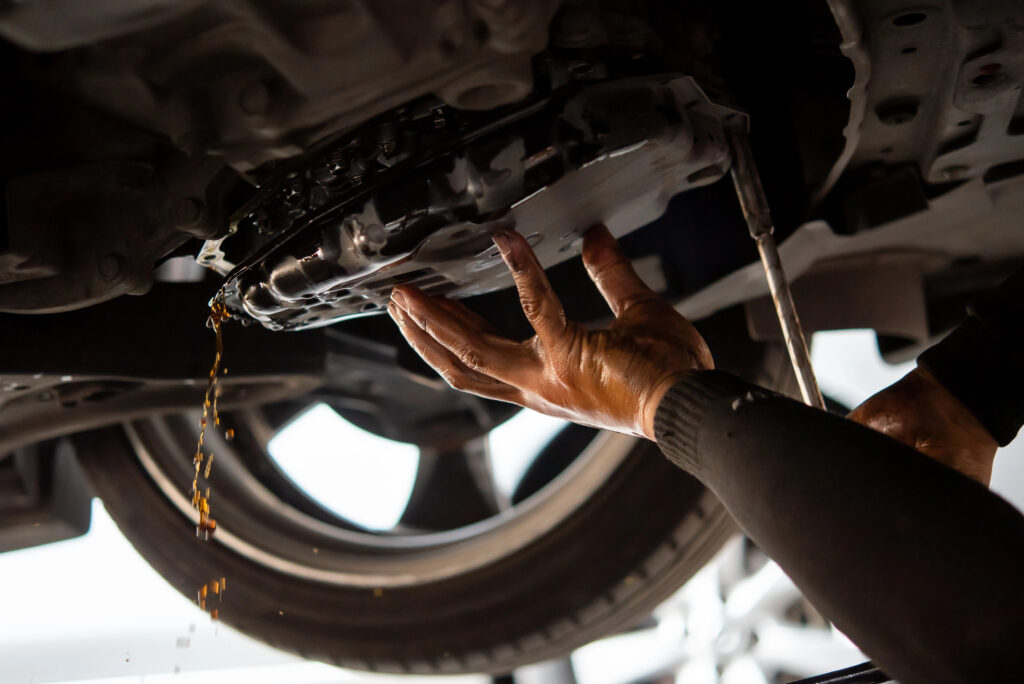
Routine maintenance can help keep your transmission operating properly and catch developing issues before they become more serious. Follow your vehicle manufacturer’s recommendations for transmission fluid inspections and servicing, and address leaks promptly.
It is also important to maintain other vehicle systems. Regular engine maintenance, including replacing spark plugs when recommended, can help prevent performance problems that may feel like transmission trouble.
Most importantly, do not ignore new noises, hesitation, or changes in shifting behavior. Addressing unusual symptoms early may help limit damage and reduce the risk of more expensive repairs.
Get Help With Transmission Problems at Paskett Auto
When your transmission jerks during gear changes, identifying the actual cause is the first step toward getting your vehicle back to normal. Because similar symptoms can stem from the transmission, engine, or worn mounts, professional diagnosis can save time and help you avoid unnecessary repairs.
At Paskett Auto in Roy, Utah, experienced technicians can help investigate shifting problems, evaluate related vehicle systems, and recommend repairs based on their findings. Whether the issue involves fluid, an electronic component, or another mechanical problem, addressing it promptly can help protect your vehicle’s performance.
If your car jerks when changing gears, contact Paskett Auto to schedule an inspection. Getting the problem checked early can help you drive with greater confidence and avoid letting a minor symptom turn into a bigger repair.

