
4852 S 1900 W, Roy, UT 84067
385.233.4886
Paskett Auto Roy Utah

Paskett Auto

  • Auto Repair
    • General Repair
    • Engine Repair
    • Heating & Cooling
    • A/C Service & Repair
    • Suspension
    • Brakes
  • Maintenance
    • Emissions
    • Alignment
  • Tires
  • About Us
    • Blog Page
  • Specials
  • Contact Us

Transmission Fluid: How Often Do I Need to Change My Vehicle’s Transmission Fluid?

Home|Archives forAuto Repair

Transmission fluid is the lifeblood of your vehicle’s transmission system. It lubricates moving parts, keeps the transmission cool, and ensures your car shifts smoothly. Like any essential fluid, it degrades over time, and neglecting it can lead to costly repairs or even transmission failure. Regular maintenance is key to keeping your car running efficiently and extending its lifespan. In this blog, we’ll cover how often you should change your transmission fluid, the signs it might be time for a change, and tips to help you keep your transmission in top condition.

Transmission Fluid: How Often Do I Need to Change My Vehicle’s Transmission Fluid?

Understanding Transmission Fluid

Transmission fluid might not be the first thing you think about when maintaining your car, but it plays a crucial role in keeping your vehicle running smoothly. This fluid lubricates moving parts, reduces friction, helps transmit power from the engine to the wheels, and keeps the transmission cool under stress. It’s important to know that automatic and manual transmissions require different types of fluid, each formulated to handle their specific mechanical demands. Over time, fluid can become dirty or lose its effectiveness, which can lead to rough shifting, overheating, or even serious transmission damage. Monitoring and maintaining healthy transmission fluid ensures your car performs efficiently and lasts longer, saving you headaches and costly repairs down the road.

Manufacturer Recommendations

One of the simplest ways to keep your transmission healthy is to follow your vehicle manufacturer’s guidelines. Your owner’s manual provides recommended intervals for checking and changing transmission fluid, which can vary based on whether your car has an automatic or manual transmission. While many modern vehicles have longer intervals, factors like towing heavy loads, frequent stop-and-go driving, or extreme temperatures can shorten the fluid’s lifespan. Ignoring these recommendations can lead to costly repairs or even total transmission failure. By sticking to the manufacturer’s schedule and adjusting for your driving habits, you give your vehicle the care it needs to perform reliably for years to come.

Signs Your Transmission Fluid Needs Changing

Even if you follow your vehicle’s maintenance schedule, it’s important to stay alert for signs that your transmission fluid may be failing. Dark, dirty, or burnt-smelling fluid is one of the clearest indicators that it’s time for a change. You may also notice rough or slipping gears, delayed responses when shifting, or strange noises like whining or grinding. Fluid leaks under your car are another warning sign. Paying attention to these symptoms and addressing them promptly can prevent minor issues from turning into costly transmission repairs.

Factors That Affect Transmission Fluid Life

Several driving habits and conditions can shorten the lifespan of your transmission fluid, even if you’re diligent about following the manufacturer’s schedule. Towing heavy loads or frequently driving in stop-and-go traffic puts extra strain on your transmission, causing fluid to break down faster. Extreme temperatures (whether scorching summer heat or freezing winter cold) can also impact fluid performance. Older vehicles or high-mileage cars may experience more wear on the transmission, making fluid changes even more critical. Being aware of these factors allows you to adjust maintenance schedules, helping protect your transmission and extend your vehicle’s life.

Transmission Fluid: How Often Do I Need to Change My Vehicle’s Transmission Fluid?

How Transmission Fluid is Changed

Changing your transmission fluid is a key step in maintaining a smooth-running vehicle, but it’s not always as simple as it sounds. The process typically involves draining the old fluid, sometimes performing a flush to remove residue, and then refilling with the correct type of new fluid. While some car owners may feel comfortable doing this themselves, it’s often best left to a professional who can ensure the right fluid type and proper procedure are used. Regular fluid changes help prevent overheating, reduce wear on moving parts, and keep your transmission shifting smoothly. 

Consequences of Neglecting Transmission Fluid Changes

Skipping regular transmission fluid maintenance can lead to serious and costly problems. Old or degraded fluid loses its ability to lubricate and cool the transmission properly, causing increased friction and overheating. Over time, this can result in rough or slipping gears, delayed shifting, and even complete transmission failure. Repairs or replacements can be extremely expensive, far exceeding the cost of routine fluid changes. Neglecting this simple maintenance task can also shorten the overall lifespan of your vehicle. By staying on top of transmission fluid changes, you protect your car, maintain smooth performance, and avoid unnecessary stress and repair bills.

Choose Paskett Auto for Reliable Transmission Service

Even small lapses in transmission fluid maintenance can lead to slipping gears, overheating, and long-term transmission damage. At Paskett Auto, our experienced technicians specialize in professional transmission service to ensure your vehicle receives the correct fluid, proper inspection, and expert care it needs to run reliably. Don’t wait for a problem to arise. Contact us today to schedule a transmission check or fluid change and keep your car performing at its best for years to come.

Filed Under: Auto Repair

Winter can be tough on your car because of the dropping temperatures. The good news is that most of these problems can be avoided with a little fall preparation. Taking care of simple maintenance now not only saves you time and money, but it also gives you peace of mind when winter weather hits. Let’s look at some of the most common winter car problems drivers face, and how you can get ahead of them before the snow starts to fall.

8 Common Winter Car Problems

How to Prevent 8 Common Winter Car Problems During the Fall

Problem #1: Dead or Weak Battery

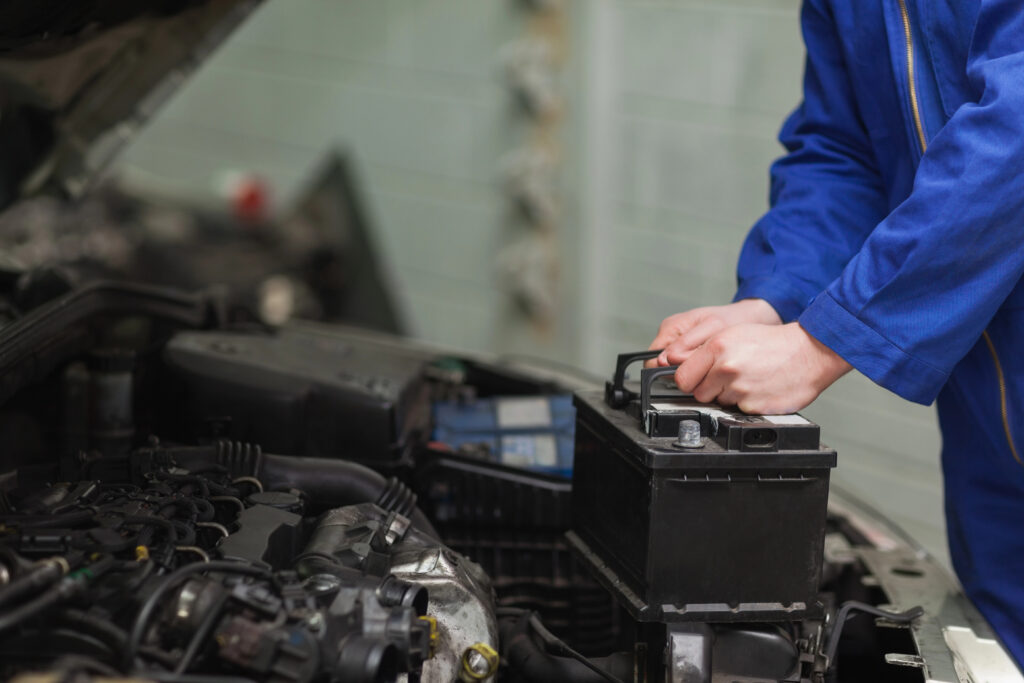
Nothing kills a good morning faster than stepping into your car on an icy day, turning the key, and hearing only a weak click—or worse, nothing at all. Cold temperatures slow the chemical reactions inside your battery, which means it struggles to hold a charge and provide enough power to start your engine.

If your battery is already a few years old, winter weather can be the final straw. That’s why fall is the best time to check its strength and replace it if needed, before the real cold sets in. Even with a strong battery, keep jumper cables or a portable jump starter in your trunk. It’s a small step that can save you from being stranded in freezing conditions and having winter car problems.

Problem #2: Frozen Locks and Doors

There’s nothing worse than hustling out the door on a chilly morning only to discover your car doors won’t budge or your key won’t turn in the lock. Ice can build up around door seals and inside locks, leaving you stuck outside and frustrated. While dumping hot water might feel like the easiest fix, it can damage glass and paint, and it often refreezes. 

The smarter move is prevention. In the fall, treat your door seals with silicone spray or rubber conditioner to keep moisture from sticking, and use a graphite or silicone-based lock lubricant to protect keyholes. Keep a lock de-icer in your glove box or even your coat pocket, so you’re never without it. A simple windshield cover can also cut down on frost and ice buildup around doors, making winter mornings a lot smoother.

Problem #3: Thickened Fluids (Oil, Transmission, etc.)

Just like honey thickens when it’s cold, the fluids in your car do the same in winter. Oil, transmission fluid, and even power steering fluid can become sluggish, making your engine and other systems work harder than they should. That extra strain can lead to rough starts, poor performance, and even long-term damage if ignored. Switching to a winter-grade oil helps your engine flow smoothly even when temperatures drop, while topping off your washer reservoir with freeze-resistant fluid ensures you won’t be stuck with a frozen line when you need clear visibility most. Taking care of your fluids before the first cold snap means fewer winter car problems, and a lot less stress for you.

Problem #4: Low Tire Pressure and Poor Traction

If your dashboard light seems to ding more often once the weather turns chilly, you’re not imagining things. Cold air causes tire pressure to drop, which means your tires don’t grip the road as well, and that’s before you add snow, ice, and slush into the mix. Driving on underinflated or worn tires is like trying to run on an icy sidewalk in socks. You’re simply not going to get the traction you need. 

To stay ahead of this, check your tire pressure weekly, and don’t ignore those low-pressure warnings. Rotate or replace tires that are worn down, and if you live in an area with heavy snowfall, consider making the switch to winter tires before the first storm arrives. A little preparation now can make all the difference in keeping you safe and steady when the roads get slick.

How to Prevent 8 Common Winter Car Problems During the Fall

Problem #5: Frozen Windshield Wipers and Fluid

Few things are as frustrating as starting your car on a frosty morning only to find your windshield wipers stuck to the ice, leaving you with zero visibility. Old wiper blades can crack and tear in freezing temperatures, and standard washer fluid can freeze in the reservoir or lines, leaving you helpless against frost and road grime. Fall is the best time to prepare. Swap out worn blades for winter-specific wipers designed to handle ice and snow, refill your washer reservoir with freeze-resistant fluid, and keep a sturdy ice scraper in your car at all times. Taking these simple steps now means you’ll start winter mornings with clear vision and far less stress.

Problem #6: Salt and Ice Damage

Road salt is a lifesaver when it comes to preventing slips and accidents, but it’s far from friendly to your car’s finish. Salt can eat away at paint and metal, leading to rust, corrosion, and costly repairs if left unchecked. Give your car a thorough wash and a protective wax coating before the snow flies.  This extra barrier helps shield against the harsh chemicals and moisture on winter roads. Once winter arrives, plan regular washes, especially under the car and around wheel wells, to rinse off salt buildup. With a little proactive care, you can keep your car looking great and running smoothly all season long.

Why Choose Paskett Auto for Car Maintenance This Fall?

Winter car problems are stressful, but a little preparation in the fall can save you time, money, and headaches when the cold weather hits. From batteries to tires, wipers to winter fluids, handling these issues early keeps your car running smoothly and your mornings stress-free. At Paskett Auto, we make fall maintenance simple and reliable. Our expert team can inspect your vehicle, address any weak points, and give you peace of mind before the first snow falls. Schedule your seasonal inspection and maintenance with Paskett Auto today and drive into the colder months with confidence.

Filed Under: Auto Repair

Your engine works hard every time you drive, and oil is what keeps it running smoothly. Without enough clean oil, parts can wear out quickly or even seize up. That’s why you need to inspect your oil regularly and protect your vehicle.

In this blog, we’ll walk you through why oil inspections matter, how often to check your oil, what to look for, and what to do if something’s off. Whether you’re a new driver or just want to stay on top of maintenance, this guide will help you keep your engine in great shape.

How to Inspect Your Oil: A Quick Guide for Car Owners

Why Checking Your Oil Matters

Regularly checking your oil might seem like a small task, but it plays a huge role in keeping your engine running smoothly. Oil lubricates all the moving parts, so when it’s low or dirty, your engine can overheat, wear down, or even seize up entirely. That kind of damage is inconvenient and expensive.

By inspecting your oil regularly, you can catch early warning signs of leaks, burning oil, or contamination before they turn into bigger problems. It’s one of the easiest and most cost-effective ways to protect your investment and extend the life of your vehicle. Whether you drive every day or just occasionally, keeping tabs on your oil gives you peace of mind, and helps you avoid getting stuck with a blown engine or a huge repair bill.

When to Inspect Your Oil

Knowing when to inspect your oil is just as important as knowing how. A good rule of thumb is to inspect your oil at least once a month and always before taking a long road trip. Oil levels and quality can change quickly depending on how much you drive, the age of your car, and even the weather. Regular checks help you catch issues early, like leaks, low levels, or dirty oil that could harm your engine.

Your vehicle’s owner’s manual is also a great guide, offering specific recommendations based on your make and model. Sticking to a routine keeps your engine healthy, improves performance, and gives you reassurance every time you hit the road. It’s a small habit that pays off in a big way.

What You’ll Need

How to Inspect Your Oil: A Quick Guide for Car Owners

Before you inspect your oil, make sure you have a few simple tools on hand. A clean rag or paper towel is essential for wiping the dipstick and getting a clear reading. Gloves are optional, but they can keep your hands clean, especially if your engine has been running recently. It’s also important to park your car on a flat, level surface to get an accurate reading, and let the engine cool down to avoid burns or skewed results. With just a few items and a little prep, you’ll be ready to give your engine the care it needs.

Step-by-Step: How to Inspect Your Oil

Inspecting your car’s oil is quick and easy. Start by parking your vehicle on a level surface and turning off the engine. Let it cool for a few minutes so you don’t burn yourself. Then, pop the hood and find the dipstick that is usually marked with a bright handle. Pull it out, wipe it clean with your rag, and slide it back in fully. Remove it again and take a look.

The oil level should fall between the two indicator marks. If it’s below, you may need to top off. Check the oil’s color and texture, too. Fresh oil is amber and smooth, while dirty oil looks dark and gritty. If it’s dirty or smells burnt, it might be time for a change.

What to Do if Something’s Off

If something seems off while checking your oil, don’t ignore it—your engine’s health depends on it. If the oil level is low, add the correct type listed in your owner’s manual, but be careful not to overfill. If the oil looks dark, gritty, or smells burnt, it’s likely overdue for a change. Schedule one as soon as possible.

Noticing milky, frothy, or bubbly oil? That could be a sign of coolant mixing with your oil, which might mean a blown head gasket or another serious issue. In that case, don’t wait to contact a trusted mechanic right away. Catching these signs early can prevent major engine damage and save you money in the long run. Regular oil checks help keep your car running smoothly and safely.

Tips for Long-Term Maintenance

How to Inspect Your Oil: A Quick Guide for Car Owners

Taking care of your engine over the long haul starts with smart oil habits. Keep a simple log and track each oil check and oil change. This not only keeps you on schedule, but it’s also helpful if you ever need to prove your car’s maintenance history. Stick to the oil change intervals listed in your owner’s manual. Those guidelines are designed to protect your specific engine.

And don’t cut corners on oil quality! Using the right, high-grade oil helps your engine run cleaner, smoother, and longer. Treating oil maintenance as a routine, not an afterthought, can help you avoid costly repairs and extend the life of your vehicle.

Choose Paskett Auto for Reliable Oil Checks

Regular oil checks help prevent costly engine problems, but if you’re unsure what to look for, Paskett Auto has you covered. Our expert team offers quick oil inspections, changes, and honest advice to keep your vehicle running strong. Stop by Paskett Auto today and let us take the guesswork out of your car’s maintenance.

Filed Under: Auto Repair

  • « Previous Page
  • 1
  • 2
  • 3
  • 4
  • 5
  • 6
  • …
  • 16
  • Next Page »

Paskett Auto

4852 S 1900 W
Roy, Utah, 84067
385.233.4886
Monday - Friday 8:00 am - 5:30 pm
Saturday - 8:00 am - 3:00 pm

OFFICE

4852 S 1900 W
Roy, Utah, 84067
385.233.4886
Monday - Friday 8:00 am - 5:30 pm
Saturday - 8:00 am - 3:00 pm

Contact Us

NAVIGATION

AUTO REPAIR
TIRES
SPECIALS
ABOUT US
CONTACT US

STAY CONNECTED

Twitter

2026Paskett Auto | All Rights Reserved | Privacy Policy | Terms | XML Sitemap | Sitemap | Accessibility | Anti-Discrimination | Site by PDM