4852 S 1900 W, Roy, UT 84067
385.233.4886
Paskett Auto Roy Utah

Paskett Auto

  • Auto Repair
    • General Repair
    • Engine Repair
    • Heating & Cooling
    • A/C Service & Repair
    • Suspension
    • Brakes
  • Maintenance
    • Emissions
    • Alignment
  • Tires
  • About Us
    • Blog Page
  • Specials
  • Contact Us

5 Things To Do When Your Car Overheats

Home|Archives forAuto Repair
Car overheats in Roy, Utah

As the summer months approach and you prepare for road trips, you might worry that your car isn’t prepared to handle the heat. Whether you’re heading across the country to see family or you have plans to camp in the mountains, your car might not be equipped to handle hot weather. But what can you do when your car overheats?

At Paskett Auto, our team understands how an overheating car can throw a wrench in your highly anticipated summer plans. Thankfully, if your car overheats, there are a few things you can do to remedy it. If you want to avoid your car overheating this summer so you can enjoy hanging out with your family and friends, keep reading. 

Why Your Car Overheats

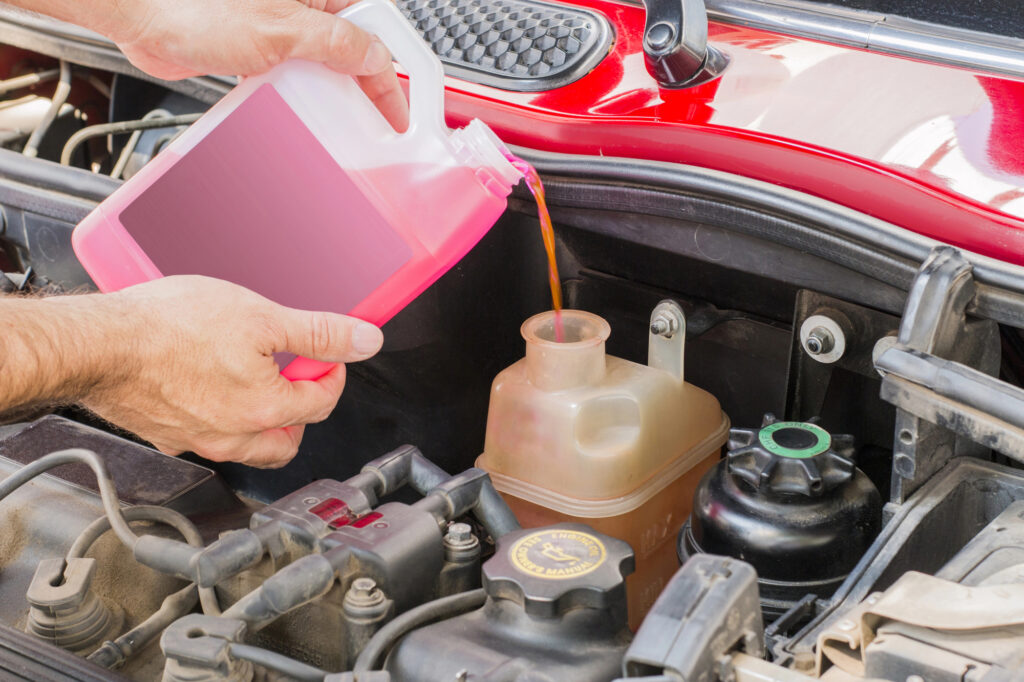
If your car overheats, there are a few issues this may be linked to. A malfunctioning thermostat may fail to regulate engine temperature, leading to overheating. Low coolant levels or leaks inhibit the system’s ability to dissipate heat effectively. Clogged radiator fins restrict airflow, impeding cooling efficiency. 

Inadequate airflow caused by a faulty fan or debris accumulation exacerbates the problem, especially in traffic or at low speeds. Engine strain from heavy loads or towing can also raise temperatures beyond the cooling system’s ability. Regular maintenance and addressing underlying issues are essential to preventing overheating and preserving your engine’s health.

Car overheats in Roy, Utah

Signs Your Car Is Overheating

Your car often does a good job of letting you know that it is overheating. However, you have to know what to look out for. Some of the signs of an overheating car include: 

  • The temperature gauge light turns on
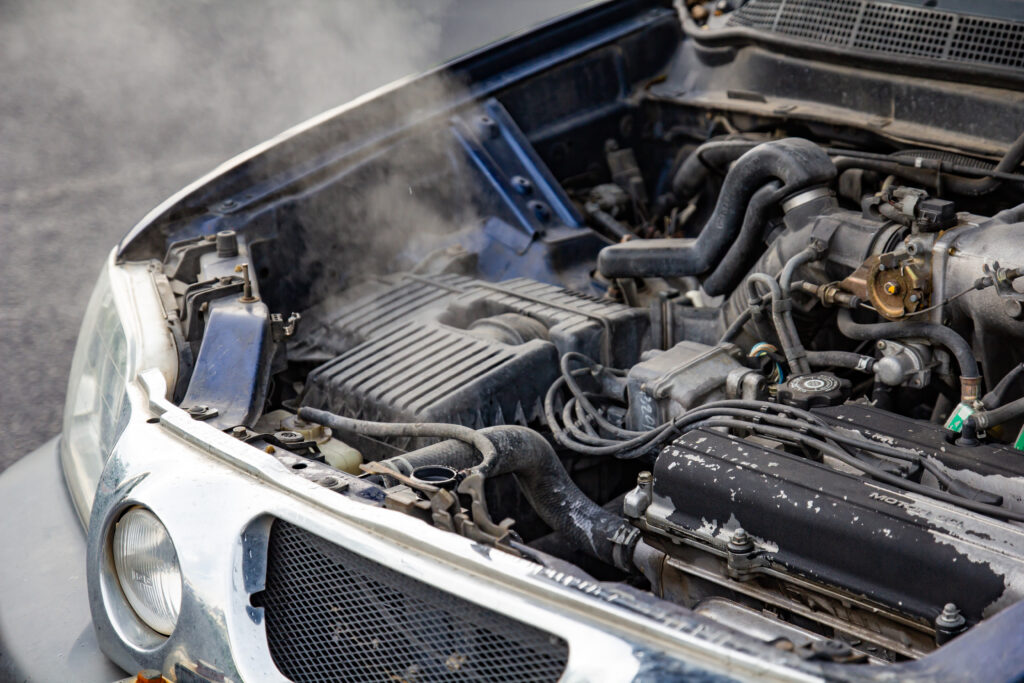
  • Steam or smoke coming from your engine
  • Your hood is excessively hot to touch
  • There is a smell of burning oil
  • Your engine is making a thumping noise
  • There is less engine power

What To Do When Your Car Overheats

If your car overheats, there are a few things you need to do to ensure the safety of yourself, your car, and other drivers on the road. These include:

1. Pull Over in a Safe Place

If your car overheats, the most important thing you can do is pull over when it is safe to do so. Ignoring the signs that your car is overheating can lead to even more significant and costly or irreparable damage. If your car is overheating, you shouldn’t drive any more than a quarter of a mile if you can avoid doing so. While this might not be possible, it is best to pull over to a place where a tow truck may be able to pick up your car without risking the safety of other drivers on the road. 

2. Turn Off Your Air Conditioning

As you attempt to pull your car over, you should turn on your air conditioning. While you might think keeping your air conditioning on while your car is overheating can cool it off, it might do the opposite. Keeping your air conditioning on when your car overheats may put more strain on the engine. You may also want to roll down your windows and open your sunroof. By opening your windows, you can help the hot air that is warming your car escape and begin to cool down your engine. 

Car overheats in Roy, Utah

3. Let Your Engine Cool Off

When you have pulled your car over in a safe place, turn it off. Leaving your car running will keep up the temperature of the engine, causing more damage to your car. Instead, turn off your car and open your hood if it isn’t too hot to touch. You should allow it to cool off for at least 15 minutes. Once it has cooled, turn the key to the first position in the ignition. This can help you determine if the engine is cooling down or if you need to call a tow truck. 

4. Restart Your Engine

If your temperature gauge is reading a safe temperature once again, try starting the engine again. From this point, you may want to drive it to your home or a repair shop near you. However, during this drive, you should watch for any signs that your car is overheating again. If your car makes any uncommon noises or struggles or fails to start, don’t attempt to turn on your engine again. Instead, call a tow truck to take you to a repair shop. 

5. Head to a Trusted Repair Shop

If your car’s temperature still isn’t coming down or your engine has begun to make abnormal noises, it is time to take it to a trusted repair shop for maintenance. They will be able to diagnose the problem with your car and prevent it from overheating again. If, on the way to the repair shop, your car overheats again, pull over and allow it to cool off. Take your time going to the shop and allow your car plenty of time to cool off to prevent further damage to your engine. 

Car overheats in Roy, Utah

Repairs for Car Owners Across Roy, Utah

If your car overheats and you are looking for a reliable auto repair shop in Roy, Utah, look no further than our team at Paskett Auto. With almost three decades of experience helping car owners diagnose and repair a variety of car problems, we’re confident that we can do the same for you. From standard maintenance to air conditioning and heater repairs, tire changes, and much more, our team provides a variety of services to ensure you are safe on the road. If your car overheats and you need immediate repair, don’t hesitate to contact us today to schedule an appointment. 

Filed Under: Auto Repair

Need to get new brakes

With so much to maintain on your car, you might not even know when it’s time to replace your brakes. In fact, you likely won’t experience any problems with your brakes for thousands of miles. When they finally begin acting up, you might not even realize that the signs you are experiencing are indications that you need to get new brakes. 

Your car’s brakes need to be replaced every 25,000 to 65,000 miles, though they may wear down more quickly based on the local weather conditions, road quality, and driving style. When they begin to wear down, they will start showing clear signs of wear and tear. Our team at Paskett Auto wants you to know all the signs indicating you need to get new brakes so your car can continue performing as safely as possible. 

1. Your Brakes Are Squeaking Or Screeching

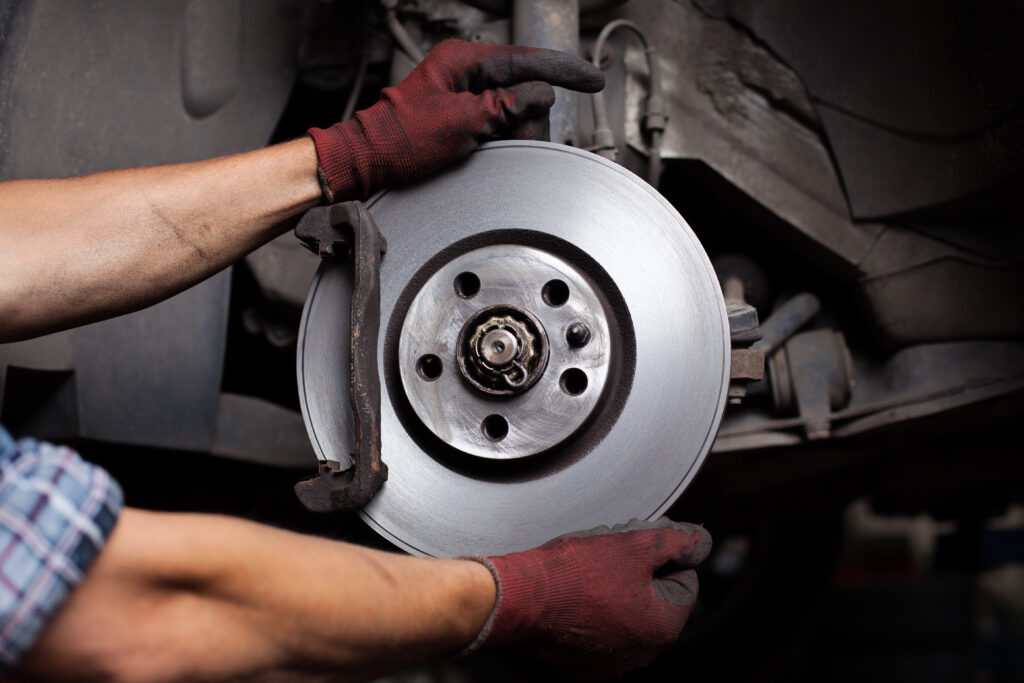
When you are driving your car, you may begin to hear a high-pitched squealing or screeching when applying pressure to your brakes. This squealing or screeching is a result of a metal tab scrapping against the rotor. Most brake pads are designed with these built-in wear indicators, so you know when they are beginning to wear down. If you notice this squealing sound every time you stop your car, it is a sign that you have 2/32 of an inch of brake pad remaining and is a good indication that you need to get new brakes. 

2. You Aren’t Stopping As Quickly As Normal

Need to get new brakes

If you live on a hill and often have to apply your brakes as you descend, you may begin to experience brake fade. This means you are utilizing your brakes for significant distances. While this is fine occasionally, regularly using your brakes like this may result in premature wearing of the brake pad. Over time, you will notice that your car is not stopping as quickly as it previously was. This can indicate one of two problems. You either need new brake fluid or you need to get new brakes to fix this problem. 

3. Your Car Vibrates When Stopping

This sign is definitely a final sign that you need to get new brakes. Brake pads are held together by a resin material. As they wear down, the resin is warmed and spreads across the rotors. With well-functioning brakes, this resin spreads evenly across the rotors. But, if your brake pads are overheated, the resin may spread unevenly, leading to vibration as you attempt to stop your vehicle. Your brakes shouldn’t ever vibrate when stopping if they are in good condition, so as soon as this sign appears, it is crucial that you reach out to a professional for brake replacements. 

4. You Feel Your Car Pull To One Side When Braking

Need to get new brakes

No matter how you use your brakes, they never wear out at the same rate. Sometimes, one side will wear down more quickly than the other. As you begin to apply pressure to your brakes, you may notice your car pulling to one side. This problem can become more significant if you don’t address it. You may find your car swerving into other lanes of traffic. If you notice your car veering into other lanes of traffic when stopping, you need to get new brakes as soon as possible to ensure you can safely stop without risking hitting others. 

5. Your Low Brake Pad Light Comes On

Many modern vehicles have a warning lights on their dash to indicate any problems with the system. These lights include the Anti-lock braking system and brake system warning light. While this light doesn’t always come on when there is an issue with your brakes, there is a chance it will appear. While there are several problems this can indicate, including the need to get new brakes, it is best that you reach out to an expert for help. They can determine if you need new brakes or if there are other problems with your braking system that you haven’t experienced yet.

Need to get new brakes

Get New Brakes With Paskett Auto 

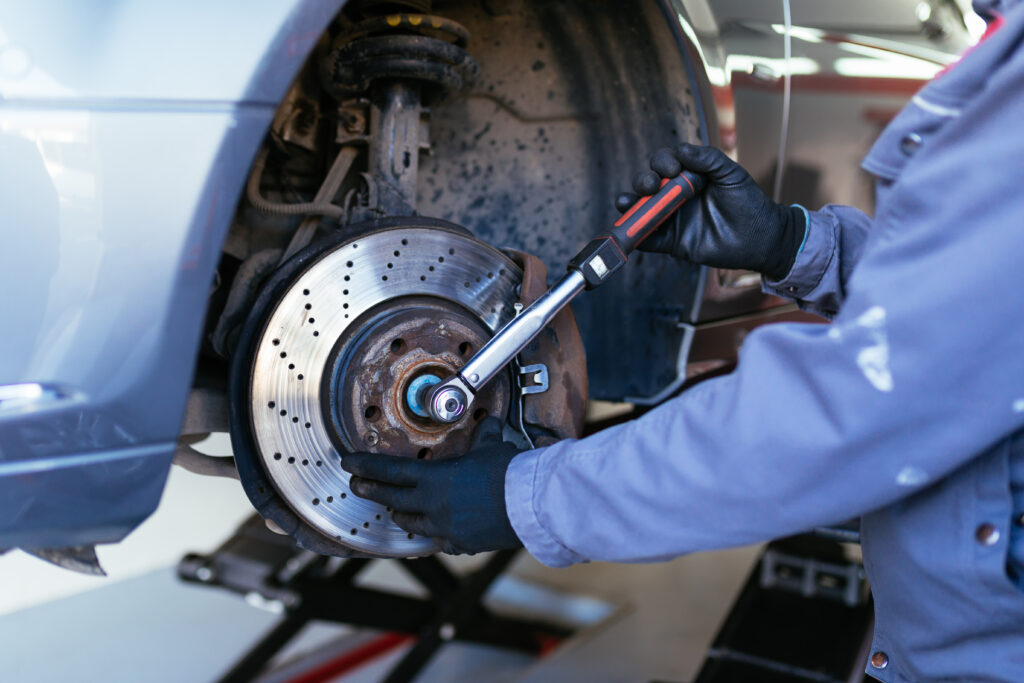
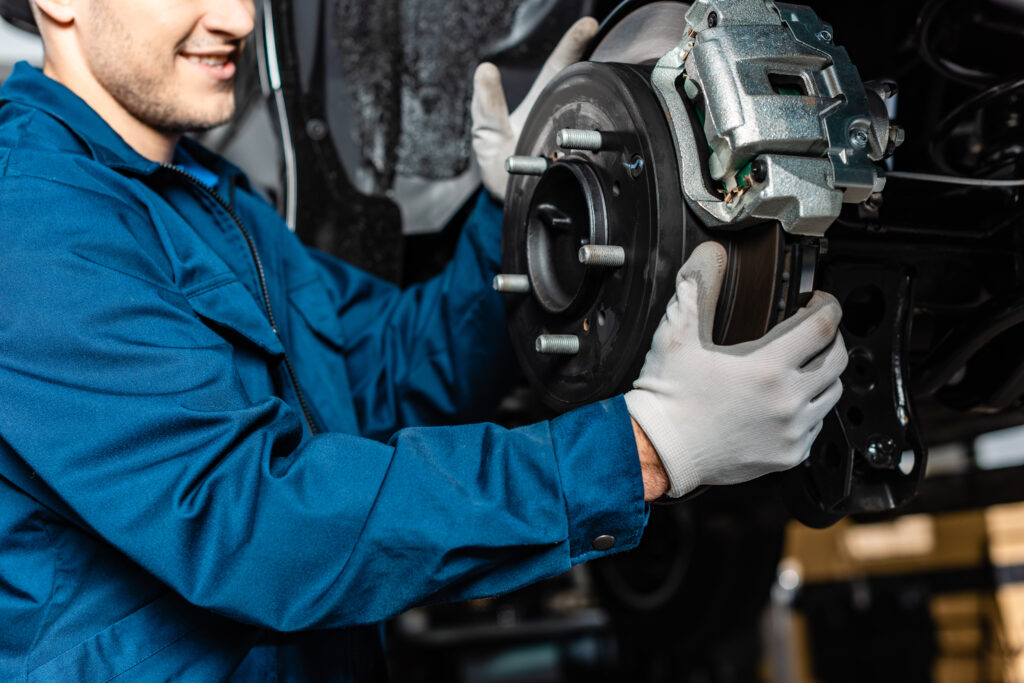
Having well-performing brakes is essential for safely using your car. If you have noticed any of the signs above, it is crucial that you schedule an appointment with a reliable auto repair shop as soon as possible. Our team at Paskett Auto can quickly and safely replace your brakes so you feel safe driving your car again. 

In addition to our brake services, we provide engine repairs, emissions tests, tire alignment, and more. If you are interested in scheduling an appointment to replace your brakes or would like to speak to a member of our team, contact us today.

Filed Under: Auto Repair

Emissions test in Roy, Utah

If you have an emissions test coming up, you may be nervous about whether your car is going to pass. Whether you’ve dealt with sensor issues in the past or just bought a new battery, many factors can cause your vehicle to fail the test. If you’re going into your first emissions test, you’ll want to know what it is, what factors can cause your car to fail, and what to do in that case. 

What Is An Emissions Test?

A car emissions test is a test that measures the level of emissions coming from your car. They are completed in order to determine if the emissions coming from your vehicle fall within your state’s legal limit. Each state has different requirements. 

Emissions tests measure carbon monoxide, carbon dioxide, oxygen, nitrogen oxides, sulfur dioxide, hydrocarbons, benzene, and particulate matter. These are measured due to their impact on human health and the environment. 

Emissions test in Roy, Utah

The frequency with which you’ll test your car’s emissions varies based on your car’s age and the state it is registered in. When you register your vehicle with the state’s DMV or BMV, it will come with a reminder for emissions. Without this test, you cannot register your car, which will also impact your car insurance. There are a few exceptions to regular emissions test rules, though you’ll want to check with your local DMV or BMV. 

Why Did My Car Fail Its Emissions Test?

You may feel overwhelmed or frustrated if your car fails its emissions test. Understanding why your vehicle failed is essential to determine your next steps. The reasons your car may fail the test include the following:

  • Car Battery Disconnection: If you’ve recently disconnected or replaced your car’s battery, you may fail your test. This failure is because the onboard diagnostic system won’t have enough information about your vehicle for inspection. 
  • Your Check Engine Light Is On: If your car’s check engine light has come on, it could have appeared because of a problem with the car’s exhaust system, alarm system, or battery. This light will cause your car to fail its test. 
  • Data Link Connector Problems: If there is a problem with your car’s data link connector port, including a short, the tester won’t be able to connect to your vehicle, and it may fail its emission test. 
Emissions test in Roy, Utah
  • Faulty Sensors: A faulty sensor, including your oxygen or mass airflow sensor, will cause your car to fail its emissions test. 
  • Exhaust System Problems: If you have an issue with your car’s exhaust system, including your catalytic converter, your vehicle will fail. 

What Do I Do If My Car Fails Its Emissions Test?

There are many steps you can take to solve problems with your car if you’ve just failed your emissions test. Your mechanic will suggest fixes for each issue in order to pass when you retest. 

  • Battery Disconnection: If a battery disconnection caused the problem, your mechanic would recommend that you drive your car around as usual for about a week. By then, your onboard diagnostic system will have enough information collected to pass the test successfully. 
  • Check Engine Light: If your check engine light is on, you’ll want a diagnostic test done by your mechanic. They will make repair suggestions, which you will need to get done before retesting.
  • Data Link Connector Problems: If the problem is with your data link connector, you’ll need to figure out what the cause of the problem is. Problems with the data link connector include a short in the device, low battery flow, or a defective unit. You’ll want to repair any broken components or replace the device entirely before you consider attempting to retest. 
Emissions test in Roy, Utah
  • Faulty Sensor: If you have a defective sensor, it will need to be replaced. These sensors measure the chemical composition of your exhaust stream. Without these sensors, your car’s emissions cannot accurately be measured, so they must be replaced before retesting. 

Getting An Emissions Test At Paskett Auto

If your car fails an emissions test, it can feel very disheartening. But there are things you can do to prepare your vehicle for its emissions retest. If you’re looking for experts you can trust to help you through this process, our team at Paskett Auto is the best choice. From oil changes to air conditioning repair, our team does it all. If you would like to schedule an emissions test with us or would like to speak with one of our mechanics about why your car might have failed, contact us today.

Filed Under: Auto Repair

  • « Previous Page
  • 1
  • …
  • 5
  • 6
  • 7
  • 8
  • 9
  • …
  • 14
  • Next Page »

Paskett Auto

4852 S 1900 W
Roy, Utah, 84067
385.233.4886
Monday - Friday 8:00 am - 5:30 pm
Saturday - 8:00 am - 3:00 pm

OFFICE

4852 S 1900 W
Roy, Utah, 84067
385.233.4886
Monday - Friday 8:00 am - 5:30 pm
Saturday - 8:00 am - 3:00 pm

Contact Us

NAVIGATION

AUTO REPAIR
TIRES
SPECIALS
ABOUT US
CONTACT US

STAY CONNECTED

Twitter

2026Paskett Auto | All Rights Reserved | Privacy Policy | Terms | XML Sitemap | Sitemap | Accessibility | Anti-Discrimination | Site by PDM