
4852 S 1900 W, Roy, UT 84067
385.233.4886
Paskett Auto Roy Utah

Paskett Auto

  • Auto Repair
    • General Repair
    • Engine Repair
    • Heating & Cooling
    • A/C Service & Repair
    • Suspension
    • Brakes
  • Maintenance
    • Emissions
    • Alignment
  • Tires
  • About Us
    • Blog Page
  • Specials
  • Contact Us

How to Prevent Foggy Windows in Your Car During Cold Weather

Home|Archives forAuto Repair

Few things are more frustrating on a cold morning than climbing into your car, only to realize you can’t see a thing through fogged-up windows. It’s an inconvenience and a safety issue. That layer of fog forms when warm, moist air inside your car meets the cold surface of the glass, causing condensation. The result is reduced visibility and extra time spent waiting for your windshield to clear. The good news is that foggy windows aren’t inevitable. With a few smart habits and some simple maintenance steps, you can keep your windows clear, your view safe, and your winter mornings a little less stressful.

Understanding Why Fog Forms

How to Prevent Foggy Windows in Your Car During Cold Weather

Foggy windows are a sign of trapped moisture and temperature imbalance inside your vehicle. When warm, humid air hits the cold glass, the moisture in the air condenses and forms a foggy layer on your windows. This can happen for several reasons: wet shoes and clothes tracking in moisture, passengers’ breath adding humidity, or even small air leaks that let in damp air. Using the heater without proper ventilation can make things worse by circulating moist air instead of drying it out. Beyond being annoying, foggy windows are dangerous because they significantly reduce visibility and reaction time, making safe driving much more difficult.

1. Use the Defrost and AC Systems Correctly

Your car’s defrost and AC systems are your best tools for fighting foggy windows, if you use them correctly. Start by turning on the defroster and setting it to warm air, which helps raise the temperature of your windshield and clear condensation faster. Then, switch on the air conditioner, even in winter. The AC system works as a powerful dehumidifier that pulls excess moisture from the air so it can’t cling to your windows. For the best results, direct the airflow toward the windshield and front side windows to ensure even drying. Within minutes, your view will clear, and you’ll prevent future fog buildup while keeping your drive safe and comfortable.

2. Keep the Interior Dry

A dry car interior is key to preventing foggy windows. Every bit of moisture from wet shoes, snow-covered coats, or soaked floor mats adds humidity to the air inside your vehicle. That moisture eventually lands on your cold windows as fog. Start by shaking off snow before getting in, and empty or dry your floor mats regularly. Keep a microfiber cloth handy to quickly wipe down damp windows and surfaces. For extra protection, place moisture-absorbing products like silica gel packs or small dehumidifier bags under your seats. These simple habits help maintain a dry, comfortable cabin and keep your windshield crystal clear, no matter how cold or snowy it gets outside.

3. Check Cabin Air Filter and Ventilation

Your car’s cabin air filter and ventilation system play a bigger role in preventing foggy windows than many drivers realize. A dirty or clogged cabin air filter can trap moisture inside your vehicle, reducing airflow and making it easier for condensation to form on your glass. To keep things flowing smoothly, check your cabin filter regularly. Most manufacturers recommend every 12,000–15,000 miles, though it may need replacement sooner in dusty or wet climates. You should also make sure vents are clear of obstructions and that air circulates freely throughout the cabin. Proper airflow helps remove excess humidity, keeping your windows clear and your drive safer during cold weather.

4. Clean the Inside of Your Windows

Keeping the inside of your car windows clean is a surprisingly powerful way to prevent fogging. Dust, grease, and other residues create tiny pockets where moisture can cling, causing condensation to form faster and impairing your visibility. For the best results, use a high-quality glass cleaner or a simple vinegar-and-water solution to achieve a streak-free shine. Don’t forget to reach the corners and edges where moisture often lingers. For extra protection, consider applying an anti-fog treatment or spray designed for automotive glass. These products create a thin barrier that reduces condensation buildup to keep your windows clearer for longer and make cold-weather driving safer and less stressful.

How to Prevent Foggy Windows in Your Car During Cold Weather

Regular Maintenance Tips for Prevention

Preventing foggy windows starts with regular car maintenance. Moisture entering through worn door seals or leaky windows can drastically increase interior humidity, leading to constant condensation. Inspect these areas regularly and replace any damaged seals to keep the cabin dry. Equally important is ensuring your heating and cooling systems are working efficiently, as proper airflow and temperature control help manage moisture. Before winter hits, have a trusted mechanic check your car’s defrost system to confirm it’s fully operational. Staying proactive with these maintenance steps keeps your windows clear, your visibility sharp, and your winter drives safe and stress-free.

Choose Paskett Auto for Car Maintenance

Foggy or icy windshields can reduce visibility and increase the risk of accidents, making it essential to prepare your car ahead of time. At Paskett Auto, we specialize in keeping your vehicle winter-ready. From checking your heating, air conditioning, and defrost systems to ensuring proper ventilation and moisture control, our expert team can help prevent foggy windows before they become a problem. Schedule a seasonal inspection with Paskett Auto today and drive with confidence, knowing your car is fully prepared for cold-weather conditions.
Filed Under: Auto Repair

Winter is tough on drivers, but it can be rough on your car too, especially your windshield wipers. Freezing temperatures, icy roads, and heavy snow can cause windshield wiper blades to stick, tear, or wear out faster than usual, while ice and frost on your windshield increase the risk of scratches or even cracks if not handled properly. Many drivers overlook these issues until it’s too late. This blog will explore practical tips and techniques to protect your windshield and wipers, and keep your vehicle safe, functional, and ready for winter weather.

Should You Lift Your Windshield Wipers During Winter Weather? How to Protect Your Windshield This Winter

Why Winter Weather Affects Windshield Wipers

Winter weather can be surprisingly tough on your windshield wipers, and many drivers don’t realize the damage that cold conditions can cause. Snow and ice buildup can cause wiper blades to freeze solid against the glass, which makes them difficult to lift or move without damaging them. Freezing temperatures also make the rubber on the blades brittle, which reduces their flexibility and effectiveness, which can leave streaks or prevent proper clearing of the windshield. Using wipers on frozen glass is ineffective and it can scratch or even crack your windshield, creating costly repairs. Understanding these risks is the first step toward protecting your car this winter.

Should You Lift Your Wipers?

As winter approaches, many drivers debate whether lifting windshield wipers off the glass is necessary. This practice involves raising the wiper arms so they don’t rest directly against the windshield, which can prevent them from freezing to ice or compacted snow. When blades stick to the glass, trying to use them can tear the rubber, strain the wiper motor, or scratch the windshield. Lifting wipers reduces pressure on the rubber to help maintain flexibility and prolong their lifespan.

However, lifting wipers isn’t without risks. If done improperly, the arms can bend or snap, especially in windy conditions or if the wiper is forced. To lift them safely, do so gently and gradually, ensure they are clear of obstructions, and secure them so they won’t flop back onto the glass. Some drivers also use small foam covers or protective sleeves for extra safety. When done correctly, lifting your wipers is a simple, effective way to protect both your blades and your windshield throughout the winter season.

Alternative Methods to Protect Your Windshield

There are several ways to safeguard your windshield beyond lifting your wipers. Using winter windshield washer fluid helps prevent ice buildup and keeps your glass clear, even in freezing temperatures. A protective snow or ice shield can save time in the morning by keeping frost and snow off entirely. If ice does form, always de-ice wipers and windshield gently with proper tools, avoiding scraping that could scratch the glass or damage the blades. Whenever possible, park in covered or sheltered areas like garages, carports, or under awnings to minimize exposure to snow, ice, and harsh winter conditions. Combining these strategies keeps your windshield clear, your windshield wipers intact, and your morning routine much easier.

Maintaining Your Wipers and Windshield in Winter

Proper maintenance is key to keeping your wipers and windshield in top condition throughout the winter. Regularly inspect your wiper blades for cracks, tears, or brittleness because cold temperatures can accelerate wear and reduce effectiveness. Clean both the blades and the windshield frequently to remove dirt, salt, and debris that can cause streaking or scratches. It’s also important to check your windshield washer fluid levels and make sure it’s rated for freezing temperatures, so you can quickly clear frost or road grime without freezing the system. By staying proactive, you ensure your windshield wipers perform efficiently, your windshield stays clear, and your winter driving remains safe and stress-free.

Should You Lift Your Windshield Wipers During Winter Weather? How to Protect Your Windshield This Winter

Common Mistakes to Avoid

Winter driving can be tricky, and certain habits can unintentionally damage your windshield and wipers. One of the most common mistakes is running wipers over ice or heavy snow. This puts excessive strain on the blades and motor while increasing the risk of scratches on the glass. Another risky move is pouring hot water on a frozen windshield, which may seem like a quick fix but can cause sudden temperature changes that crack the glass. Many drivers also forget to lift or protect their windshield wipers during a freeze, leaving blades stuck to ice and shortening their lifespan. Avoiding these mistakes keeps your windshield and wipers in top condition all winter long.

Choose Paskett Auto for Winter Car Maintenance

Winter can take a serious toll on your windshield and wipers, but with the right care, you can avoid damage and stay safe on the road. At Paskett Auto, we specialize in helping drivers protect their vehicles during harsh winter conditions. From high-quality windshield wiper replacements to expert windshield repairs and maintenance, our team ensures your car is prepared for ice, snow, and freezing temperatures. Contact Paskett Auto today to safeguard your windshield, extend the life of your wipers, and drive confidently all winter long.

Filed Under: Auto Repair

Transmission fluid is the lifeblood of your vehicle’s transmission system. It lubricates moving parts, keeps the transmission cool, and ensures your car shifts smoothly. Like any essential fluid, it degrades over time, and neglecting it can lead to costly repairs or even transmission failure. Regular maintenance is key to keeping your car running efficiently and extending its lifespan. In this blog, we’ll cover how often you should change your transmission fluid, the signs it might be time for a change, and tips to help you keep your transmission in top condition.

Transmission Fluid: How Often Do I Need to Change My Vehicle’s Transmission Fluid?

Understanding Transmission Fluid

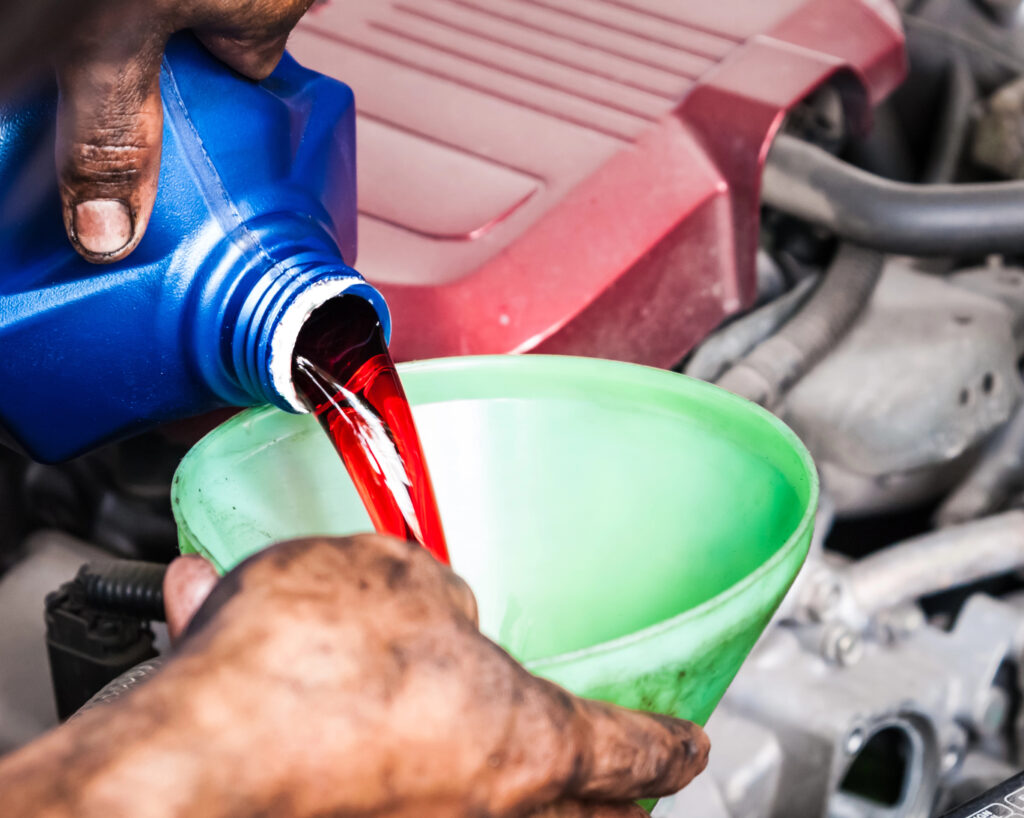
Transmission fluid might not be the first thing you think about when maintaining your car, but it plays a crucial role in keeping your vehicle running smoothly. This fluid lubricates moving parts, reduces friction, helps transmit power from the engine to the wheels, and keeps the transmission cool under stress. It’s important to know that automatic and manual transmissions require different types of fluid, each formulated to handle their specific mechanical demands. Over time, fluid can become dirty or lose its effectiveness, which can lead to rough shifting, overheating, or even serious transmission damage. Monitoring and maintaining healthy transmission fluid ensures your car performs efficiently and lasts longer, saving you headaches and costly repairs down the road.

Manufacturer Recommendations

One of the simplest ways to keep your transmission healthy is to follow your vehicle manufacturer’s guidelines. Your owner’s manual provides recommended intervals for checking and changing transmission fluid, which can vary based on whether your car has an automatic or manual transmission. While many modern vehicles have longer intervals, factors like towing heavy loads, frequent stop-and-go driving, or extreme temperatures can shorten the fluid’s lifespan. Ignoring these recommendations can lead to costly repairs or even total transmission failure. By sticking to the manufacturer’s schedule and adjusting for your driving habits, you give your vehicle the care it needs to perform reliably for years to come.

Signs Your Transmission Fluid Needs Changing

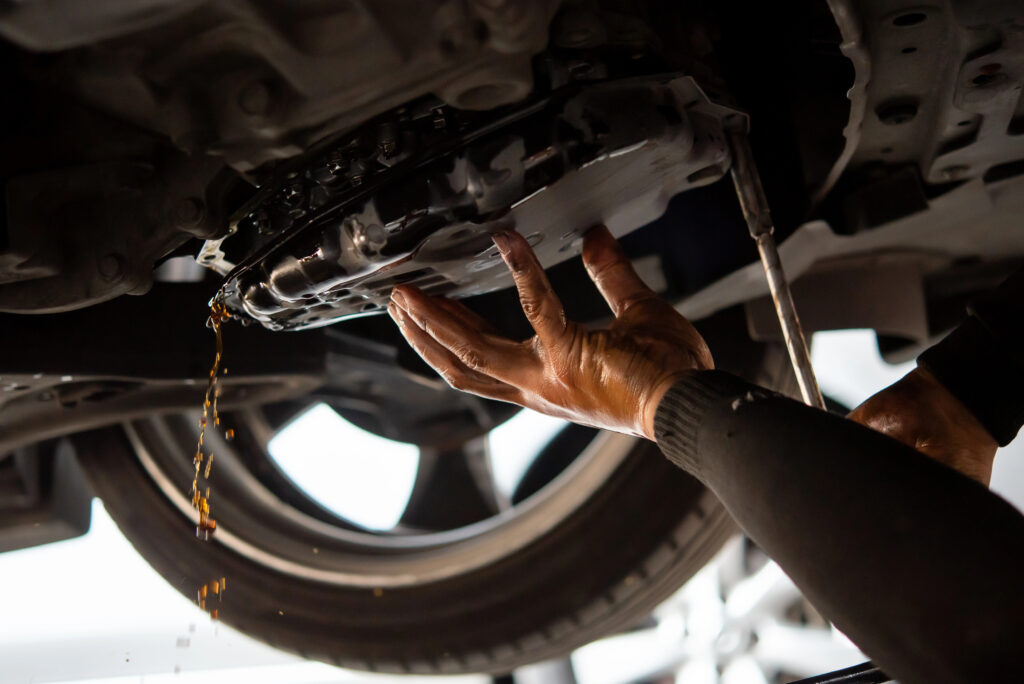
Even if you follow your vehicle’s maintenance schedule, it’s important to stay alert for signs that your transmission fluid may be failing. Dark, dirty, or burnt-smelling fluid is one of the clearest indicators that it’s time for a change. You may also notice rough or slipping gears, delayed responses when shifting, or strange noises like whining or grinding. Fluid leaks under your car are another warning sign. Paying attention to these symptoms and addressing them promptly can prevent minor issues from turning into costly transmission repairs.

Factors That Affect Transmission Fluid Life

Several driving habits and conditions can shorten the lifespan of your transmission fluid, even if you’re diligent about following the manufacturer’s schedule. Towing heavy loads or frequently driving in stop-and-go traffic puts extra strain on your transmission, causing fluid to break down faster. Extreme temperatures (whether scorching summer heat or freezing winter cold) can also impact fluid performance. Older vehicles or high-mileage cars may experience more wear on the transmission, making fluid changes even more critical. Being aware of these factors allows you to adjust maintenance schedules, helping protect your transmission and extend your vehicle’s life.

Transmission Fluid: How Often Do I Need to Change My Vehicle’s Transmission Fluid?

How Transmission Fluid is Changed

Changing your transmission fluid is a key step in maintaining a smooth-running vehicle, but it’s not always as simple as it sounds. The process typically involves draining the old fluid, sometimes performing a flush to remove residue, and then refilling with the correct type of new fluid. While some car owners may feel comfortable doing this themselves, it’s often best left to a professional who can ensure the right fluid type and proper procedure are used. Regular fluid changes help prevent overheating, reduce wear on moving parts, and keep your transmission shifting smoothly. 

Consequences of Neglecting Transmission Fluid Changes

Skipping regular transmission fluid maintenance can lead to serious and costly problems. Old or degraded fluid loses its ability to lubricate and cool the transmission properly, causing increased friction and overheating. Over time, this can result in rough or slipping gears, delayed shifting, and even complete transmission failure. Repairs or replacements can be extremely expensive, far exceeding the cost of routine fluid changes. Neglecting this simple maintenance task can also shorten the overall lifespan of your vehicle. By staying on top of transmission fluid changes, you protect your car, maintain smooth performance, and avoid unnecessary stress and repair bills.

Choose Paskett Auto for Reliable Transmission Service

Even small lapses in transmission fluid maintenance can lead to slipping gears, overheating, and long-term transmission damage. At Paskett Auto, our experienced technicians specialize in professional transmission service to ensure your vehicle receives the correct fluid, proper inspection, and expert care it needs to run reliably. Don’t wait for a problem to arise. Contact us today to schedule a transmission check or fluid change and keep your car performing at its best for years to come.

Filed Under: Auto Repair

  • « Previous Page
  • 1
  • 2
  • 3
  • 4
  • …
  • 14
  • Next Page »

Paskett Auto

4852 S 1900 W
Roy, Utah, 84067
385.233.4886
Monday - Friday 8:00 am - 5:30 pm
Saturday - 8:00 am - 3:00 pm

OFFICE

4852 S 1900 W
Roy, Utah, 84067
385.233.4886
Monday - Friday 8:00 am - 5:30 pm
Saturday - 8:00 am - 3:00 pm

Contact Us

NAVIGATION

AUTO REPAIR
TIRES
SPECIALS
ABOUT US
CONTACT US

STAY CONNECTED

Twitter

2026Paskett Auto | All Rights Reserved | Privacy Policy | Terms | XML Sitemap | Sitemap | Accessibility | Anti-Discrimination | Site by PDM