4852 S 1900 W, Roy, UT 84067
385.233.4886
Paskett Auto Roy Utah

Paskett Auto

  • Auto Repair
    • General Repair
    • Engine Repair
    • Heating & Cooling
    • A/C Service & Repair
    • Suspension
    • Brakes
  • Maintenance
    • Emissions
    • Alignment
  • Tires
  • About Us
    • Blog Page
  • Specials
  • Contact Us

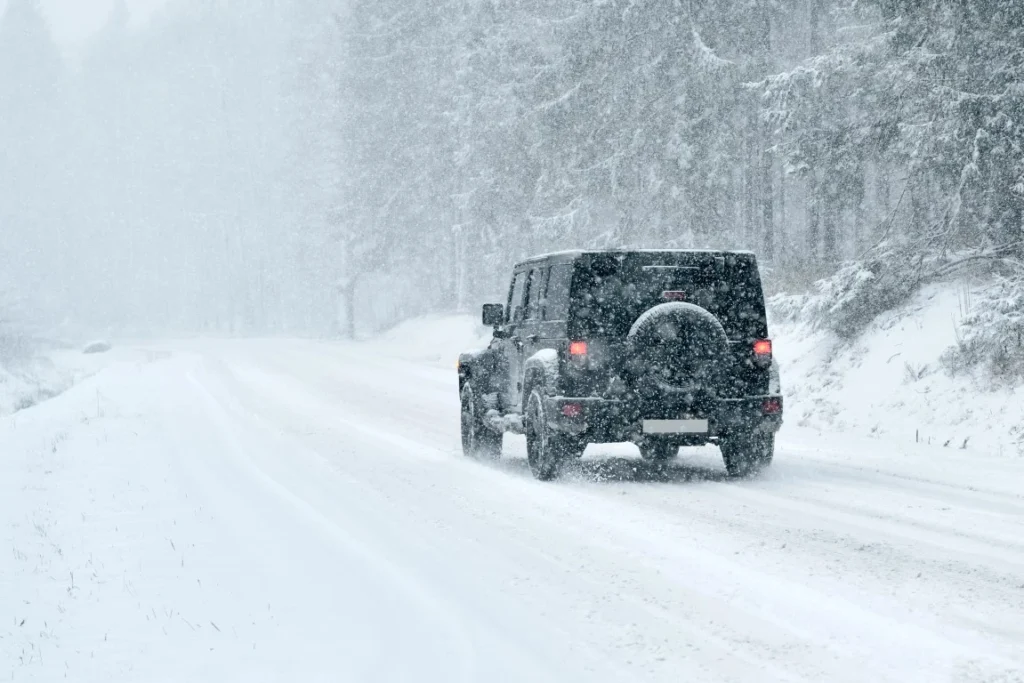
How to Drive in Heavy Rain (and the Maintenance That Helps)

Home|Archives forAuto Repair

Driving in heavy rain can be stressful and dangerous if you’re not prepared. Slippery roads, poor visibility, and unexpected hazards demand extra caution, and a well-maintained vehicle. In this blog, we’ll share essential driving tips for rainy conditions and highlight key car maintenance tasks that help keep you safe and confident on wet roads. Whether you’re facing a sudden downpour or a prolonged storm, these practical tips will make all the difference behind the wheel.

Prepare Before You Drive

How to Drive in Heavy Rain (and the Maintenance That Helps)

Before hitting the road, take a moment to check the weather. It’s a simple step that can make a huge difference. Heavy rain can turn a routine drive into a risky situation in seconds. If a storm is in the forecast, consider delaying your trip or adjusting your route to stay safe. We often underestimate how quickly conditions can change, especially in areas prone to flash flooding or poor drainage. Planning ahead not only protects you but also reduces stress. When in doubt, it’s always safer to stay put and wait it out than to risk driving blind through sheets of rain.

Essential Car Maintenance for Rainy Conditions

Here’s some important car maintenance tips to be ready for rainy conditions:

Tire Condition: Worn tires and low pressure can cause hydroplaning on wet roads. Check tread depth using a penny and ensure proper inflation. Good tires give you the grip and stability needed in rain, helping you stay in control and avoid sliding during sudden stops or turns.

Windshield Wipers: Streaking or squeaking wipers mean it’s time for a replacement. Clear vision is vital in rain, and fresh wiper blades ensure your windshield stays clean. Replace them every 6–12 months so you’re not caught with poor visibility during a downpour.

Headlights and Taillights: Rain reduces visibility for everyone, so working lights are essential. Check headlights, taillights, and brake lights before driving. Clean or replace cloudy lenses to ensure other drivers see you clearly. It’s a simple step that boosts safety on dark, rainy roads.

Brakes: Your brakes need to be responsive in wet conditions. If they feel soft or make noise, get them checked. Rain increases stopping distances, so well-maintained brakes are crucial for avoiding accidents when roads are slick and traffic is unpredictable.

Defogger/Defroster: Foggy windows limit your visibility fast. Make sure your defroster and climate control are working properly before it rains. A quick test can prevent a stressful and dangerous drive. Clear windows mean safer navigation and better awareness of your surroundings in any storm.

Driving Tips for Heavy Rain

Driving in heavy rain is inconvenient and can be dangerous if you’re not prepared. Slow down and increase your following distance to give yourself more time to react. Wet roads mean less traction, so even a quick stop can become risky. Always use your headlights to improve visibility, but skip the high beams, which can reflect off the rain and make it harder to see. 

Avoid using cruise control, which can reduce your ability to respond quickly if your car starts to hydroplane. If you see standing water, steer around it. Hydroplaning can happen even in shallow puddles. And brake gently; slamming on the brakes can lead to skidding. A few smart adjustments can make all the difference between a stressful, risky drive and a safe trip. Stay calm, stay alert, and give yourself the time and space to drive safely through the storm.

How to Drive in Heavy Rain (and the Maintenance That Helps)

What to Do If You Hydroplane

Hydroplaning can be scary, but knowing how to respond can help you stay in control. If your car starts to slide on a wet road, the first thing to do is stay calm. Panic only makes it worse. Gently ease off the gas to let your tires regain traction. Don’t slam on the brakes; sudden braking can make the skid more severe. Instead, keep a firm grip on the wheel and steer in the direction you want the front of your car to go. Once the tires reconnect with the road, you’ll regain control. It’s a quick moment, but staying calm and reacting the right way can make all the difference in staying safe during a rainy drive.

Emergency Preparedness

When heavy rain hits, it’s crucial to be ready for anything. Keep an emergency kit in your car with essentials like a flashlight, first aid supplies, jumper cables, and bottled water. It’s also important to know how to safely pull over if visibility becomes too poor to drive—turn on your hazard lights, move as far off the road as possible, and stay in the vehicle until conditions improve. A little preparation can turn a stressful situation into a manageable one, helping you stay calm and safe when the weather takes a turn.

Schedule Maintenance With Paskett Auto

Before the next big storm hits, don’t wait until you’re stuck in bad weather to realize your car isn’t ready. Scheduling a maintenance check with Paskett Auto ensures your vehicle’s tires, brakes, wipers, and lights are all in top shape for heavy rain and slick roads. A quick tune-up can prevent headaches, keep you safer behind the wheel, and give you peace of mind when the skies darken. Take proactive steps today—contact Paskett Auto and drive confidently through whatever the weather throws your way.

Filed Under: Auto Repair

Many people love to take advantage of the warmer weather and longer days during the summer and go to concerts, take vacations, and go on long road trips. But how should you prepare your car for summer? You don’t want to get stranded along a highway, so it’s vital that you take some extra time to prep your car in advance.

10 Ways to Prepare Your Car for Summer Road Trips

Here are 10 steps to take to ensure your car is ready to take on your road trip this summer.

1. Thoroughly Inspect Your Tires

Since your car will likely be putting on a lot of mileage during your road trip, you should check that your tires are in the ideal condition to last. There are a few tricks to use to see if your tires need replacing or attention.

  • Spare Tire: Many cars come with a spare tire in case of an emergency. If your car has a spare, check that it has proper inflation and it’s in good condition for use.
  • Tire Pressure: When your tires are cool, check the tire pressure. Look up the manufacturer’s specifications, either in the manual, online, or on the driver’s side door jamb.
  • Tread Depth: A useful tip is to insert a quarter upside down in the tread grooves on your tires. If you can see George Washington’s head, then you need to get your tires replaced.

Many auto repair shops, like Paskett Auto, will also sell tires and do installation. The technicians can help prepare your car for summer trips.

2. Ensure Your Brakes Are in Optimal Condition

Your brakes are there for your safety and the safety of others. If you notice grinding sounds or vibrations when you brake, then you need to get your brakes checked out. Our technicians at Paskett can assess the quality of your brakes, including the pads, rotors, drums, and shoes.

10 Ways to Prepare Your Car for Summer Road Trips

3. Test Your Battery’s Health

Your car’s battery can suffer in the heat, especially if you are on long stretches of highway in direct sun for hours. Ensure that your car’s battery terminals are clean and the connections are secure. Especially if it’s over three years old, it’s important to test its quality before roadtripping.

4. Check & Top Off Essential Fluids

For the best performance for your vehicle, check the levels of the following fluids to prepare your car for summer. The main ones you’ll want to take a look at are:

  • Brake, Transmission, & Power Steering Fluids
  • Coolant
  • Engine Oil

If they are running low, then go to your local auto care shop to top them off or replace them.

5. Replace Wiper Blades & Refill Windshield Washer Fluid

In the summer, you can often get surprised by a sudden shower. Make sure your windshield wipers are in good condition and replace them if they aren’t clearing the windshield effectively or streak.

Also, fill the windshield washer reservoir with the proper fluid so you can be sure to clear away any insects or debris from your road trip.

10 Ways to Prepare Your Car for Summer Road Trips

6. Inspect Belts & Hoses

Another way to prepare your car for summer road trips is to check the quality of your belts and hoses. Here are some signs to look out for:

  • Belts: For older belts, look for fraying, glazing, or cracking. For more modern belts, you should aim to replace them every 60,000 miles.
  • Hoses: Check for leaks, brittleness, or bulges, and ensure clamps are secure.

7. Test Your Air Conditioning System

You don’t want to find yourself in the middle of a road trip only to find out that your AC system doesn’t work. Ensure a professional can take a look at it before you go.

8. Assemble an Emergency Kit

It’s always important to be prepared in case of an emergency. Here are some basic things to keep in the back of your car:

  • Flashlight with extra batteries
  • Rain poncho & gloves
  • Basic tool kit & duct tape
  • First-aid supplies
  • Drinking water & non-perishable snacks
  • Emergency flares or reflectors
  • Jumper cables
cars suspension

9. Plan for Regular Maintenance Stops

It’s a good idea for long car rides to schedule some periodic stops along the way. This will help give you a break and ensure your car gets time to rest.

10. Schedule a Professional Inspection

Even when you stay on top of personal checks, it’s important to schedule a professional inspection so they can catch any issues that you may have missed. At Paskett Auto Care, our technicians are well-equipped to check and prepare your car for summer trips.

Why Choose Paskett Auto Care?

Paskett offers comprehensive auto services to help you feel more confident when you’re on the road. Ready to prepare your car for summer? Schedule an appointment today!

Filed Under: Auto Repair, Maintenance

No one likes the feeling of driving over potholes – it can be loud, jarring, and frankly, rather concerning. If you’ve experienced that heart jolt after accidentally driving over a pothole, you may have wondered how bad potholes actually are for your car.

The simple answer: very bad. Your car isn’t meant to take on sudden jolts while driving and it can result in tire, suspension, and undercarriage issues. Whether you have recently driven over a pothole or are looking for more reasons to avoid one, here are some common results that can come from driving over a pothole.

potholes paskett auto

Where Do Potholes Come From?

A pothole forms when the concrete or asphalt is weakened or damaged, causing cracking and deterioration. This can happen from:

  • Heavy Traffic
  • Compacted or Loose Soil
  • Poor Drainage
  • Heavy Rain
  • Freezing Water
  • Wear & Tear
  • Improper Maintenance

They form most often during the winter months, as the constant moisture and freezing temperatures cause and exacerbate existing problems. When water freezes, it expands, pushing apart cracks and causing loose cement.

When there is not enough proper maintenance or repairs, potholes can continue to expand and get worse, leading to hazardous road conditions for drivers.

1. Tire & Wheel Damage

The most obvious at-risk part of your car is your tires and wheels. Though some kinds of tires are built to endure off-roading and various weather conditions, cracked pavements and holes can cause pretty bad damage to your wheels.

  • Bent or Cracked Wheels – Some materials of wheels, such as alloy, are vulnerable to bending or cracking. This can cause air leaks or complete failure.
  • Tire Blowouts – Sharp edges of potholes can puncture tires, causing punctures, holes, or blowouts.
Are Potholes Bad For My Car? 3 Main Risks

2. Suspension & Alignment Issues

Another problem that a pothole can cause is damage to your suspension and alignment. Even though your car’s suspension is meant to absorb impact and help balance your vehicle when going over uneven terrain, repeated pothole encounters can cause long-term damage.

  • Worn-Out Shocks & Struts – If they undergo too much wear and tear, your shocks and struts may not function as they should, leading to a very bumpy ride.
  • Misaligned Wheels – Driving over a pothole could impact your alignment, leading to uneven tire wear, steering issues, and the need to replace your tires sooner.

3. Undercarriage Damage

Potholes can severely damage the underside of your car if loose parts or sharp edges scrape the bottom. This can lead to some serious issues that will need to be addressed immediately.

  • Fluid Leaks – A pothole may puncture or crack your car’s oil pan or damage its transmission lines. This can cause engine problems.
  • Exhaust System Damage – A hit can lead to dented or loose parts of the exhaust system, resulting in decreased fuel efficiency, increased emissions, and louder car noises.

How to Protect Your Car from Pothole Damage

To ensure your car is protected from all these potential issues, there are some steps to take to care for and maintain your car.

Are Potholes Bad For My Car? 3 Main Risks
  1. Stay Alert – When driving, try to keep an eye out for potholes so you can avoid driving over them if possible. Especially when there are poor driving conditions, like snow or rain, stay extra alert.
  2. Check Your Tires – Ensure that your tires are well maintained; keeping them fully inflated helps to absorb impact.
  3. Slow Down – There can be more damage to your car if you drive over a pothole at a high speed. Stay safe and minimize speeding.
  4. Get Regular Inspections & Maintenance – Regular car maintenance is important for keeping your car in working condition for as long as possible. However, if you notice odd noises, vibrations, or pulling to one side after hitting a pothole, you should bring your car in to get it checked by a professional.

Pothole Damage Repair

To give your car the best care, it’s important to practice safe driving habits and get problems fixed as soon as possible. At Paskett Auto, we offer full servicing to identify, diagnose, and solve any difficulties with your car.

Whether a pothole has caused issues to your alignment, suspension, tires, wheels, or exhaust, we can quickly assess the damage and get your car back to new. We value high-quality work and full transparency when it comes to your vehicle.

If your car has been damaged by a pothole, don’t wait to address it! Contact us today to get your car back to functionality.

Filed Under: Auto Repair

  • « Previous Page
  • 1
  • 2
  • 3
  • 4
  • 5
  • …
  • 13
  • Next Page »

Paskett Auto

4852 S 1900 W
Roy, Utah, 84067
385.233.4886
Monday - Friday 8:00 am - 5:30 pm
Saturday - 8:00 am - 3:00 pm

OFFICE

4852 S 1900 W
Roy, Utah, 84067
385.233.4886
Monday - Friday 8:00 am - 5:30 pm
Saturday - 8:00 am - 3:00 pm

Contact Us

NAVIGATION

AUTO REPAIR
TIRES
SPECIALS
ABOUT US
CONTACT US

STAY CONNECTED

Twitter

2025Paskett Auto | All Rights Reserved | Privacy Policy | Terms | XML Sitemap | Sitemap | Accessibility | Anti-Discrimination | Site by PDM